

Every single website on the internet needs a digital home. With millions of new websites launching every year, the demand for reliable server space continues to skyrocket. If you have ever found yourself researching how to start a web hosting business, you are looking at an industry that offers incredible recurring revenue potential.
However, competing in a market dominated by massive tech giants can seem intimidating. The secret to success lies in careful planning, leveraging the right technology, and targeting the perfect audience. Whether you want a simple side hustle or plan to build a massive enterprise, this comprehensive guide will walk you through the essential steps to launch your venture.
Before comparing different providers, it is worth learning how web hosting works and which features matter most when choosing a plan.
Table of Contents

1. Identify Your Target Audience and Niche
The most common mistake new entrepreneurs make when figuring out how to start a hosting service is trying to sell to everyone. You cannot out-market the billion-dollar giants on generic shared hosting. Instead, you need to specialize.
Knowing exactly how to find hosting niche markets is your greatest competitive advantage. Consider targeting specific groups that require specialized attention:
- Local Businesses: Offer bundled hosting and maintenance packages to small businesses in your city.
- Web Developers and Agencies: Provide high-performance environments tailored for developers who need specific server configurations.
- E-commerce Stores: Create highly secure, fast-loading servers optimized specifically for WooCommerce or Magento.
Once your niche is defined, you must address your web hosting business legal requirements. This includes forming a legal entity (like an LLC or Corporation), drafting a rock-solid Terms of Service (TOS), implementing an Acceptable Use Policy (AUP), and ensuring you have strict privacy policies in place to handle user data compliantly.
2. Choose Your Web Hosting Business Model
When you are exploring how to start a web hosting company, you generally have two main paths to choose from: becoming a reseller or building your own infrastructure.
The Reseller Route
For beginners, the easiest way to enter the market is by utilizing white label hosting platforms. As a reseller, you rent bulk server space from a larger, established hosting provider and divide it up to sell to your own clients. Because it is white-labeled, your clients only see your brand.
This model requires minimal upfront capital and removes the burden of hardware maintenance. However, you must carefully calculate your reseller hosting profit margins. Since you are leasing space, you need to ensure your retail prices are competitive while still leaving enough room for a healthy profit after marketing and support costs.
The Infrastructure Route
If you have technical expertise and more capital, building a hosting server infrastructure from the ground up gives you complete control. You will find yourself choosing between VPS and dedicated servers to act as your foundation. A Virtual Private Server (VPS) offers a great middle-ground, providing isolated resources at a lower cost, while dedicated servers provide maximum power and control for hosting demanding applications.

3. Set Up Your Technology and Automation Stack
To understand exactly how to make a hosting company function automatically, you need to master the software stack. Hosting is a highly automated industry; you shouldn’t be manually creating accounts when a customer purchases a plan.
Control Panels
Your clients need a dashboard to manage their files, emails, and databases. When evaluating the market, the debate of cPanel vs Plesk for administrators is common. cPanel is widely considered the industry standard for Linux-based servers and is incredibly user-friendly for both the host and the client. Plesk, on the other hand, is highly versatile and supports both Windows and Linux environments. Choose the one that best fits your target audience’s technical comfort level.
Billing and Automation
To automate your workflow, a WHMCS billing automation setup is practically mandatory in the hosting industry. WHMCS integrates seamlessly with control panels like cPanel. When a customer pays for a plan on your website, WHMCS automatically provisions the server space, creates the account, and sends a welcome email with login credentials—all without you lifting a finger.
Branding Your Tech
To look professional, you must prioritize setting up private name servers. Instead of your clients pointing their domain names to ns1.genericreseller.com, they will use ns1.yourbrand.com. This masks your upstream provider and builds brand equity.
Additionally, clients will want to buy domains directly from you. Through domain registration API integration (using services like Enom or ResellerClub), you can allow customers to search for, purchase, and register domain names directly through your WHMCS portal.
4. Craft Specialized Hosting Packages
As you map out how to start web hosting plans for your customers, avoid the trap of offering “unlimited everything.” Instead, build tiered packages that make sense for your niche.
For example, if you are targeting bloggers, you might want to design a managed WordPress hosting architecture. This specialized setup would include automated daily backups, pre-installed caching plugins, WordPress staging environments, and enhanced malware scanning. Customers will gladly pay a premium for a server that is specifically tuned for their CMS.
Guarantees and Scalability
Your clients need to trust that their websites will stay online. You must draft clear uptime guarantee service level agreements (SLAs). An industry standard is a 99.9% uptime guarantee. Be prepared to offer service credits if your server downtime exceeds this threshold.
Furthermore, you need a plan for scaling hosting capacity on demand. As your clients’ websites grow and receive more traffic, they will need more RAM, CPU power, and storage. Ensure your backend infrastructure allows you to upgrade a client’s resources seamlessly without experiencing significant downtime.

5. Implement World-Class Technical Support
The absolute fastest way to fail when learning how to start hosting business operations is to provide terrible customer service. Hosting is a 24/7/365 industry. Websites go down in the middle of the night, and clients will panic.
You must implement reliable 24/7 technical support solutions. If you are a solo founder, staying awake all night to answer support tickets is impossible. Fortunately, you can partner with outsourced white-label support agencies. These specialized teams will log into your helpdesk and answer technical queries under your brand name, ensuring your clients get immediate help while you sleep.
As you grow, you can transition to an in-house support team. In the beginning, however, an outsourced tier-1 support desk paired with comprehensive self-help knowledge base articles will save you time and preserve your reputation.
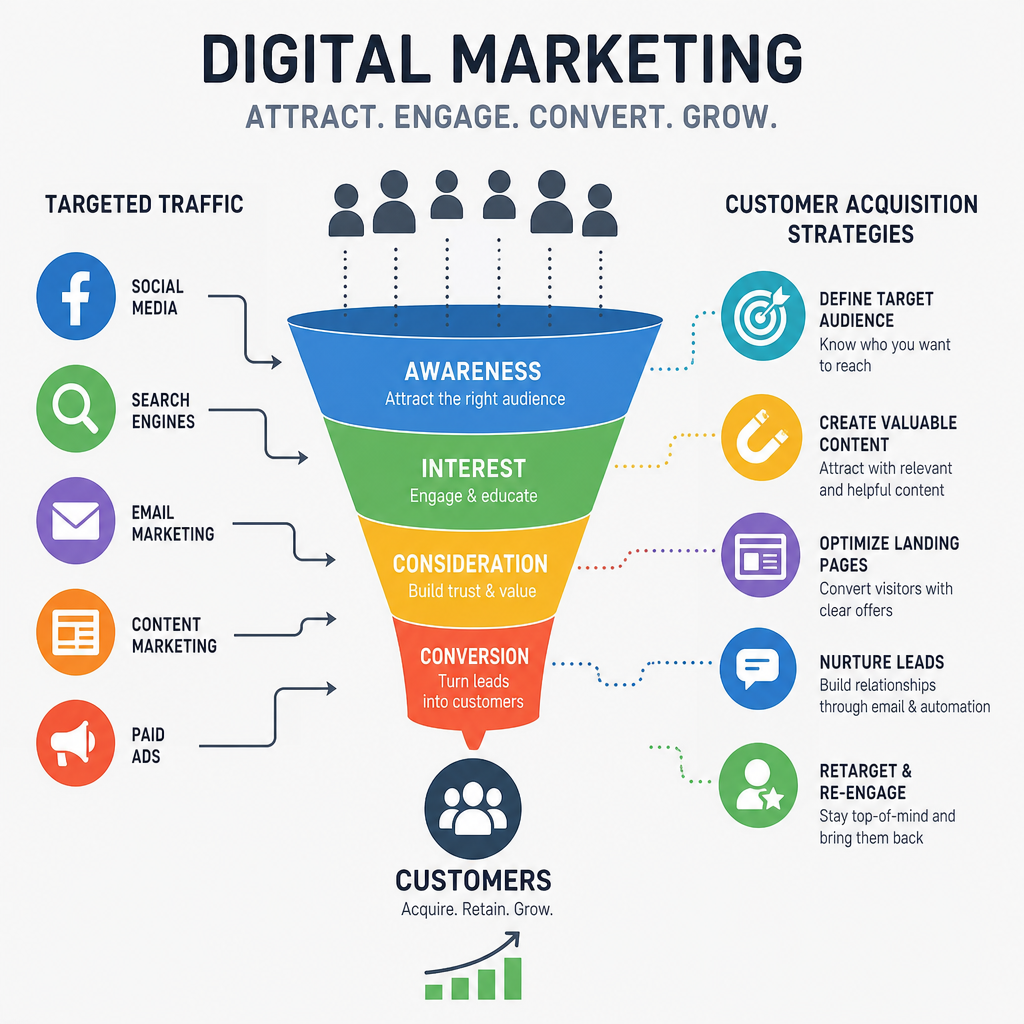
6. Marketing and Customer Acquisition
You have the servers, the automation, and the support. Now, if you want to understand how to start a hosting company that actually makes money, you need a robust marketing strategy.
Customer acquisition for hosting startups is notoriously difficult due to high pay-per-click advertising costs. Competing on Google Ads for the keyword “web hosting” will drain your budget instantly. Instead, use these cost-effective strategies:
- Content Marketing & SEO: Write highly technical, helpful tutorials targeting your specific niche. If you sell to developers, write guides on deploying specific Node.js applications.
- Affiliate Programs: WHMCS comes with a built-in affiliate system. Encourage your happy clients to refer their friends in exchange for a recurring commission or account credit.
- B2B Networking: Partner with local freelance web designers. Offer them a discounted bulk rate to host all of their clients’ websites on your servers. They get a reliable host, and you get guaranteed bulk business.
Conclusion
Figuring out how to start a web hosting business is a rewarding journey that combines technical infrastructure with strategic marketing. By choosing a specific niche, utilizing powerful white-label and automation tools, and providing unparalleled technical support, you can carve out a highly profitable slice of the web hosting market.
Take your time in the research phase, set up your infrastructure correctly from day one, and focus on building genuine relationships with your early clients. With patience and dedication, your hosting startup can quickly grow into a sustainable, scalable technology enterprise.
Looking for fast and affordable web hosting? Explore Hostinger’s latest hosting plans and choose the package that best suits your website.
For anyone planning to launch an online store, Shopify offers a beginner-friendly platform with tools for managing products, payments and orders in one place.
Team@BLAK BEIGE ‘“This article contains affiliate links, meaning we may earn a commission at no additional cost to you.”’