

Building a digital presence is no longer just an optional extra for college students; it is an absolute necessity. Whether you are a computer science major looking to showcase your coding projects, a journalism student building a portfolio of articles, or a business major launching a startup idea, having your own website sets you apart. However, managing tuition, textbooks, and living expenses leaves little room for expensive server costs.
Discover which low-cost hosting companies offer the best balance of speed, features and support in our cheap hosting providers guide.
Fortunately, the tech industry is incredibly generous to learners. By taking advantage of free web hosting for students, you can launch professional-grade websites without spending a dime. In this comprehensive guide, we will explore the top platforms, break down the technical jargon, and show you exactly how to leverage your student status to get premium developer tools for free.

Why You Need a Web Presence (and Why It Should Be Free)
Before diving into the platforms, it is important to understand the value of a live website. A digital portfolio acts as a 24/7 interactive resume. When recruiters search for your name, a polished website demonstrates initiative, technical literacy, and professionalism.
Using free site hosting for students allows you to experiment, break things, and learn without financial pressure. It provides the best environments for practicing web development online, giving you a sandbox to apply theoretical classroom knowledge to real-world servers. Plus, with the right tools, you can even secure custom domain names for student resumes, ensuring your link looks like yourname.com rather than a clunky string of random characters.
Understanding Web Hosting: A Quick Primer
If you are new to web development, the terminology can be overwhelming. Let’s clarify a fundamental concept: shared hosting vs cloud hosting for beginners.
- Shared Hosting: Imagine living in a college dorm. You share resources (like the kitchen and bathrooms) with others. Shared hosting places your website on a server with hundreds of others, sharing the CPU and memory. It is simple and traditionally used for basic websites.
- Cloud Hosting: Think of this as a scalable apartment complex. Your site pulls resources from a network of virtual servers. If your project suddenly gets a massive spike in traffic, the cloud adapts. It is generally faster, more secure, and favored by modern developers.
While traditional budget web hosting usually relies on shared servers, many of the free tiers offered to students today utilize cutting-edge cloud infrastructure.
Top Free Web Hosting Sites for Students
The landscape of free website hosting is vast, but not all platforms are created equal. Here are the best options tailored to different types of projects and skill levels.
1. GitHub Pages: The Best for Static Sites
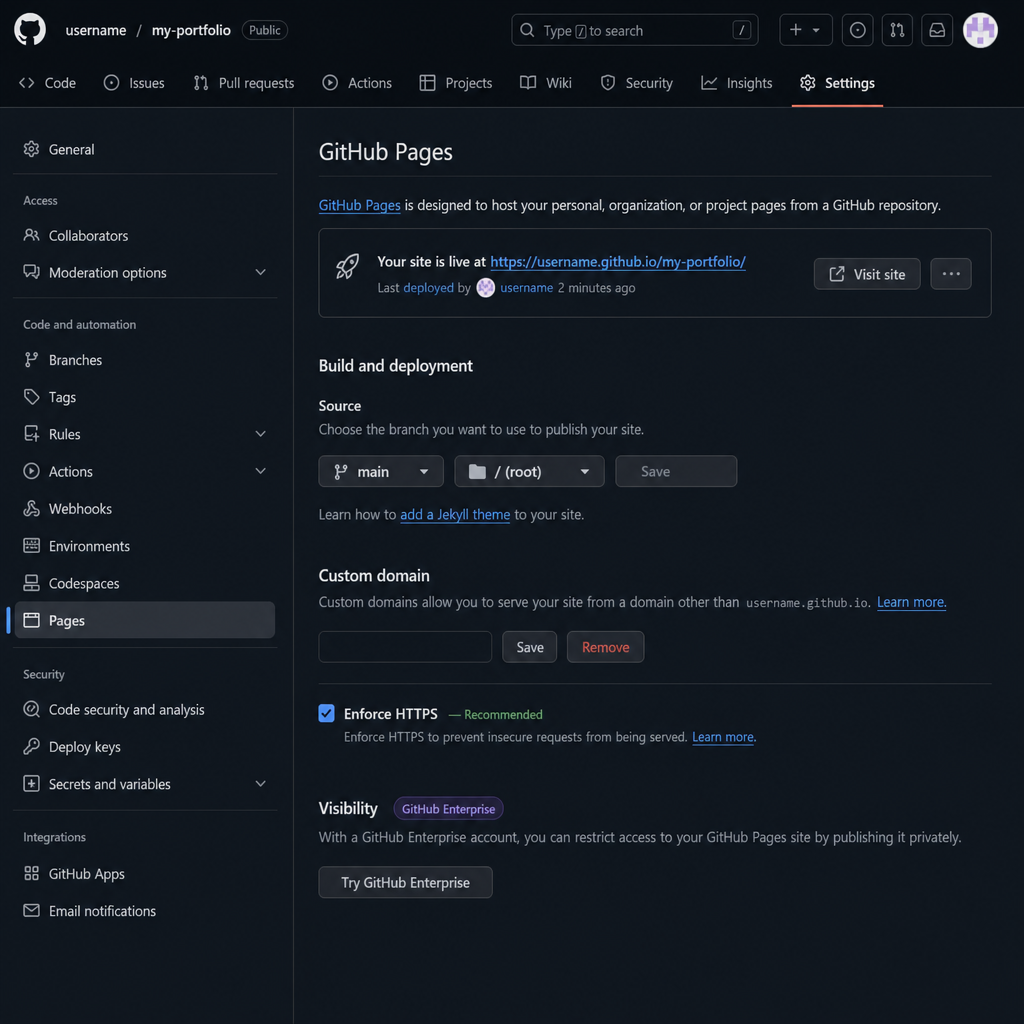
If you are building a simple HTML, CSS, and JavaScript website, deploying static sites with GitHub Pages is a rite of passage for every student developer.
- How it works: You host your code in a GitHub repository, and GitHub turns it into a live website.
- Best for: Resumes, simple portfolios, and documentation.
- Pros: It is incredibly reliable, integrates directly with your version control workflow, and includes free SSL.
2. Vercel and Netlify: The Frontend Powerhouses
When you graduate from plain HTML and start using modern frameworks like React, Vue, or Next.js, you will inevitably compare Vercel vs Netlify for frontend projects. Both offer phenomenal free tiers that are perfect for students.
- Vercel: Optimized brilliantly for Next.js. It offers seamless continuous deployment—meaning every time you push code to GitHub, your live site updates automatically.
- Netlify: Famous for its ease of use and powerful serverless functions. It acts as an all-in-one platform for automating web projects.
- The Verdict: Both provide top-tier free site hosting. Choose Vercel if you are heavily invested in the Next.js ecosystem, and Netlify if you want a slightly more intuitive dashboard for diverse frameworks.
3. InfinityFree: For Traditional Stacks
Not every school assignment uses modern JavaScript frameworks. Many university web dev courses still teach the LAMP stack (Linux, Apache, MySQL, PHP). If you need PHP and MySQL support for coding projects, InfinityFree is a stellar choice.
- Best for: Classic dynamic websites and learning database management.
- Features: They offer completely free hosting with no time limits. More importantly, it is an excellent place to find WordPress hosting options for school assignments, allowing you to spin up a CMS in minutes via their automatic script installer.
4. Render and Railway: The Modern Backend Solutions
A few years ago, Heroku was the undisputed king of free backend hosting. Since they removed their free tier, students have been scrambling for Heroku alternatives for hosting web applications. Enter Render and Railway.
- Render: Offers a great free tier for hosting Node.js, Python, Ruby, and Go applications. It handles background workers, databases, and web services seamlessly.
- Railway: An infrastructure platform where you can provision infrastructure, develop it locally, and deploy it to the cloud. It is incredibly developer-friendly and perfect for full-stack student projects.
5. Firebase: The App Developer’s Dream
If your coursework involves building progressive web apps (PWAs) or mobile applications, look into the Firebase Spark Plan for app development.
Backed by Google, Firebase isn’t just hosting; it is a Backend-as-a-Service (BaaS). The free Spark plan includes fast web hosting, a real-time database (Firestore), authentication (Google, GitHub, Email sign-ins), and cloud storage. It is the ultimate toolkit for building a comprehensive app without writing complex backend code.

Maximizing Your .EDU Email Address
One of the greatest assets you possess right now is your university email address. Knowing how to host a website for free using an edu email unlocks thousands of dollars worth of premium software.
The GitHub Student Developer Pack
If you haven’t claimed this yet, stop reading and go do it. The GitHub Student Developer Pack benefits are unmatched in the tech industry. By verifying your student status, you gain access to dozens of premium tools for free.
Key benefits include:
- Free domain names for a year (usually from Namecheap, .me, or Tech domains), perfect for creating those custom URLs for your resume.
- Premium access to Canva for designing your portfolio assets.
- Free tier upgrades on various hosting platforms and developer tools.
Cloud Computing for College Students
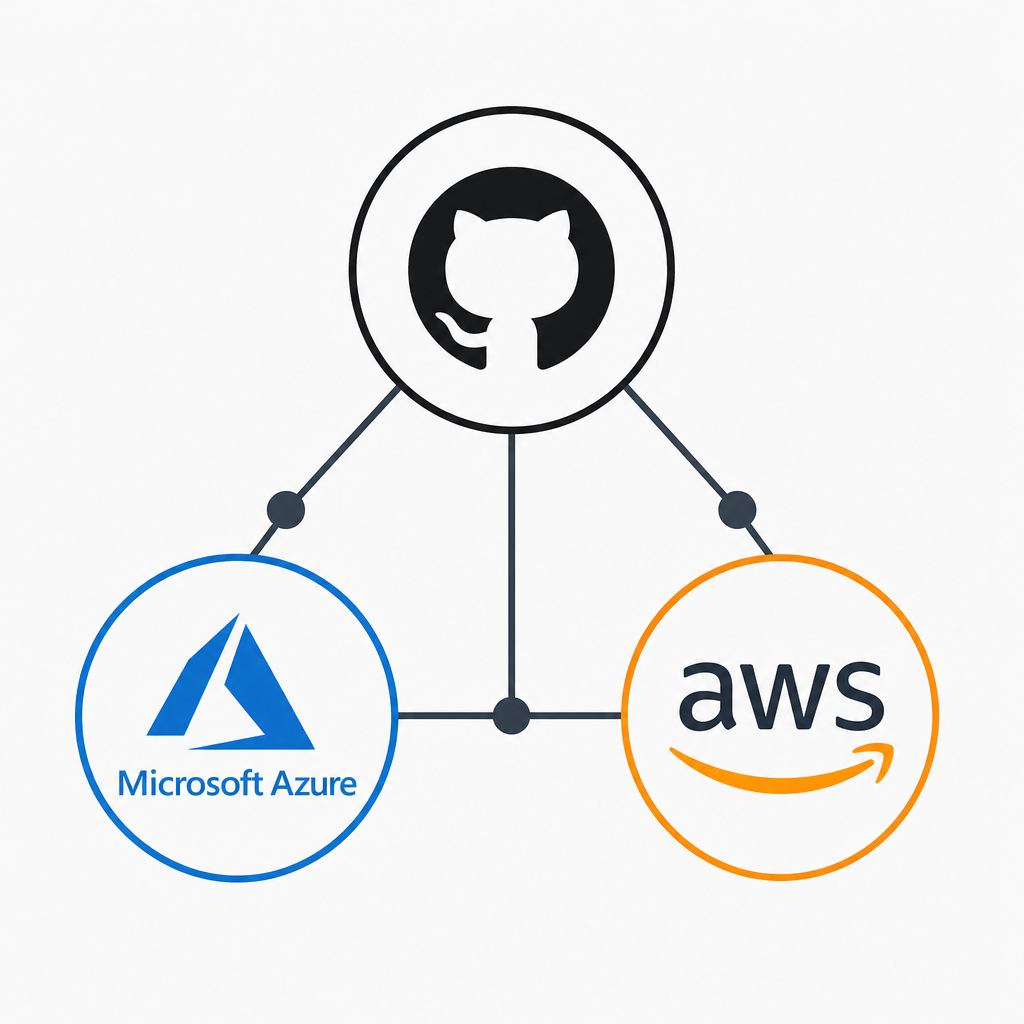
Major tech giants want you to learn their ecosystems before you graduate. Because of this, they offer generous cloud computing credits for college students.
- Microsoft Azure: The Microsoft Azure for Students starter kit grants you $100 in Azure credits and access to popular free services (like Azure App Service and Azure Functions) without requiring a credit card. It is perfect for enterprise-level learning.
- AWS Educate: Amazon Web Services offers a specialized program for students that provides hands-on access to AWS technology, cloud training resources, and free credits to run virtual machines and databases.
- Google Cloud Skills Boost: Google provides students with free access to learning paths and credits to experiment with Google Cloud Platform (GCP).
By utilizing these student web hosting perks, you can experiment with the exact same enterprise-grade infrastructure used by Fortune 500 companies, completely risk-free.
Essential Features to Look For in Free Hosting
When evaluating different free web hosting sites for students, it is easy to get blinded by the word “free.” However, a bad hosting experience can cause massive headaches, especially right before a project deadline. Here are the non-negotiable features you must look for:
1. Ad-Free Hosting
Nothing ruins a professional portfolio faster than a massive, unclosable banner ad for a random product plastered across the top of your site. Always prioritize ad-free hosting for academic portfolios. Platforms like GitHub Pages, Vercel, and Netlify never inject ads into your code. If a host forces ads on your site, move on.
2. Free SSL Certificates
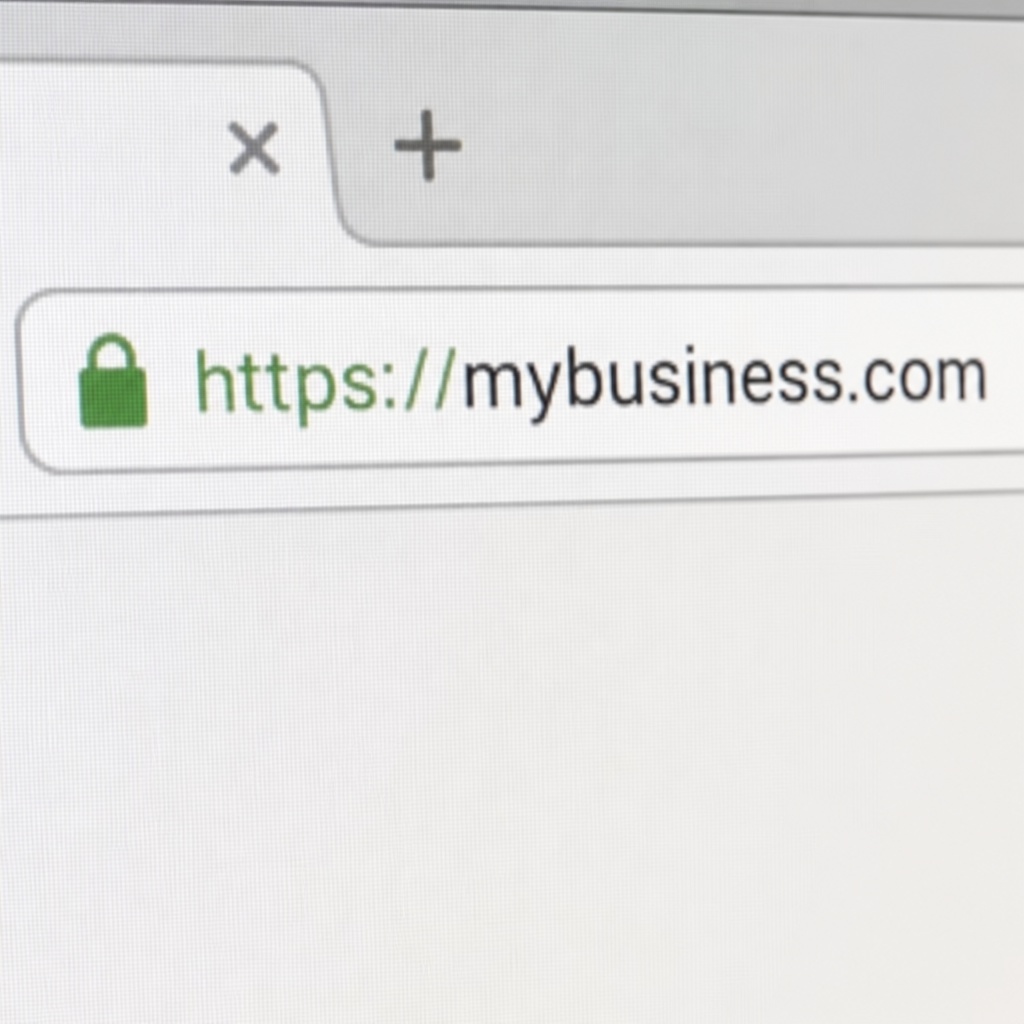
Security is mandatory on today’s internet. If your website does not have an SSL certificate, web browsers like Google Chrome will flag it as “Not Secure,” which is a terrible look for a prospective employer. Ensure your platform offers free SSL certificates for student developers (often provided automatically via Let’s Encrypt).
3. Ease of Deployment
As a student, your time is valuable. You don’t want to spend hours configuring FTP clients just to upload an updated HTML file. Look for platforms that support Git integration. This means your site updates automatically every time you push a commit to your GitHub repository.
4. Custom Domain Support
While a .vercel.app or .github.io extension is totally fine for school assignments, a professional portfolio deserves a unique identity. Ensure your chosen host allows you to link a custom domain easily.
Actionable Tips for Student Developers
To make the most out of free web hosting for students, keep these actionable tips in mind:
- Start Simple: If you are a beginner, do not try to deploy a full-stack containerized application on day one. Start with a simple HTML/CSS site on GitHub Pages to understand the deployment process.
- Claim Your Name: Even if you aren’t ready to build your portfolio yet, use your student perks to register your first and last name as a domain (e.g., johndoe.me). Domains get snatched up quickly.
- Read the Limits: Free tiers come with limitations—usually regarding bandwidth (how much traffic your site can handle) or build minutes (how much time the server spends compiling your code). For 99% of academic projects, you will never hit these limits, but it is good practice to be aware of them.
- Backup Your Work: Never rely solely on your host to keep your files safe. Always keep your source code backed up in a Git repository. If a free host suddenly changes its pricing model, you can easily migrate your site elsewhere.
Summary
Navigating the world of web development doesn’t have to drain your bank account. The tech ecosystem provides incredible resources designed specifically to help you succeed.
By taking advantage of free web hosting for students, you can build a stunning digital portfolio, ace your school assignments, and experiment with complex cloud architecture. Whether you choose to deploy a fast static site on GitHub Pages, host a React app on Vercel, utilize the Microsoft Azure starter kit, or manage a database on InfinityFree, the tools are out there waiting for you.
Grab your .edu email address, claim your developer packs, and start building your corner of the internet today. The real-world experience you gain now will be one of the most valuable investments you make in your future career.
Ready to launch or upgrade your website? Visit Hostinger and compare its hosting plans to find the right option for your needs.
“This article contains affiliate links, meaning we may earn a commission at no additional cost to You “ editorial@BLAK BEIGE