
In today’s digital-first economy, your website is your modern-day storefront. Whether you run a bustling local bakery, a freelance consulting firm, or a growing ecommerce brand, your online presence dictates how customers perceive your credibility. However, with hundreds of platforms available, finding the best website provider for small business can feel incredibly overwhelming.
Looking for reliable hosting without overspending? See our comparison of the top five cheap hosting providers.
Table of Contents
Building a website is no longer reserved for expert coders. Today, intuitive platforms allow you to design, launch, and manage a beautiful site in a matter of hours. This comprehensive guide will walk you through the top website builders, essential hosting solutions, and the critical features you need to succeed online.

Laying the Groundwork: Before You Build
Before you start dragging and dropping text boxes or comparing design templates, you need to establish your digital foundation. A successful website launch requires a bit of upfront planning.
Mastering Your Domain and Email
Your first task is figuring out how to choose a domain name for your company. Your domain (your .com address) should be short, memorable, and easy to spell. Avoid numbers and hyphens, as these can confuse potential customers. Once you secure a domain, your immediate next step should be a professional business email setup. Using a generic Gmail or Yahoo address looks unprofessional to prospective clients; an address like hello@yourbrand.com instantly builds trust.
Understanding the Financial Investment
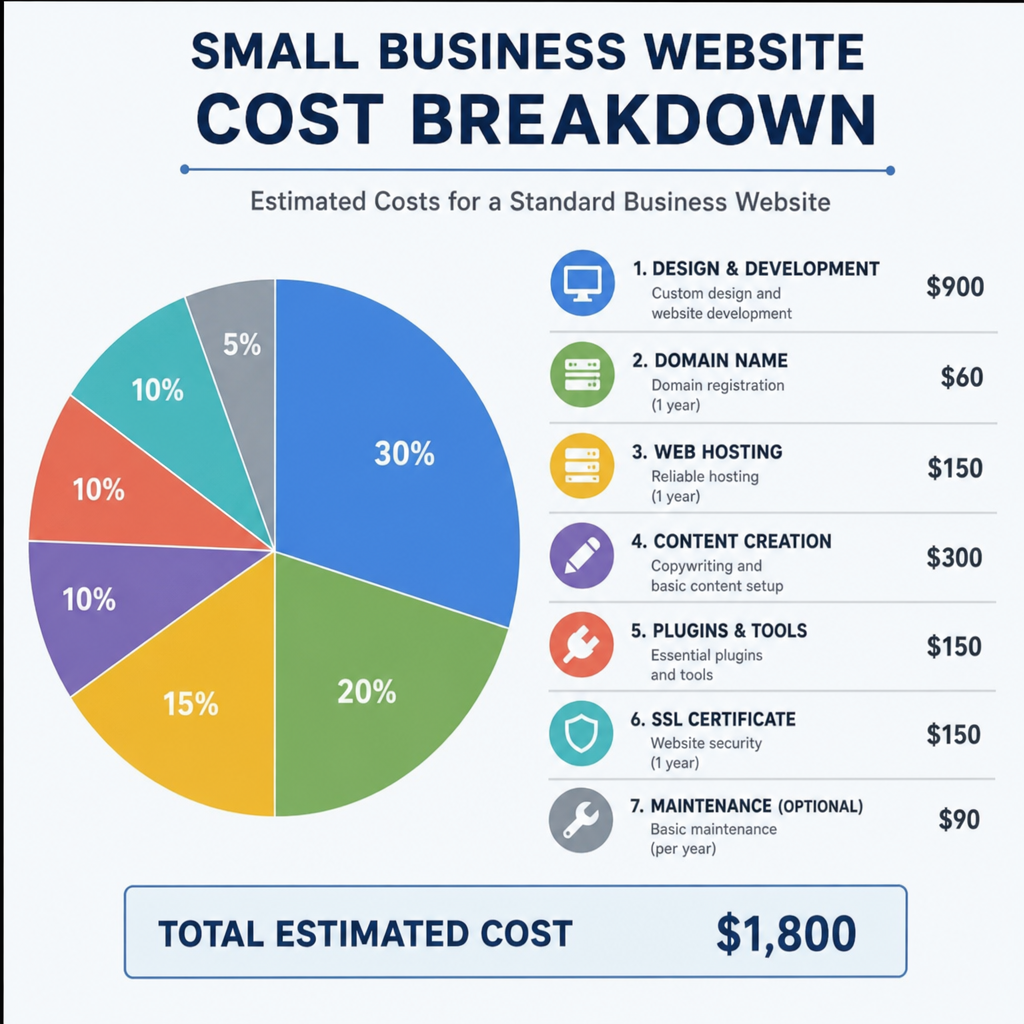
Budget is a primary concern for any entrepreneur. To avoid unexpected expenses, it helps to look at a standard small business website cost breakdown:
- Domain Name: $10 – $20 per year.
- Hosting/Platform Subscription: $50 – $350+ per year (depending on whether you use a DIY builder or self-hosted solution).
- Premium Themes/Templates: $0 – $150 (usually a one-time fee).
- Premium Plugins/Apps: $0 – $200+ per year (for advanced SEO, bookings, or ecommerce features).
By understanding these baseline costs, you can make informed decisions when comparing different platforms.
Top Website Builders for Different Business Needs
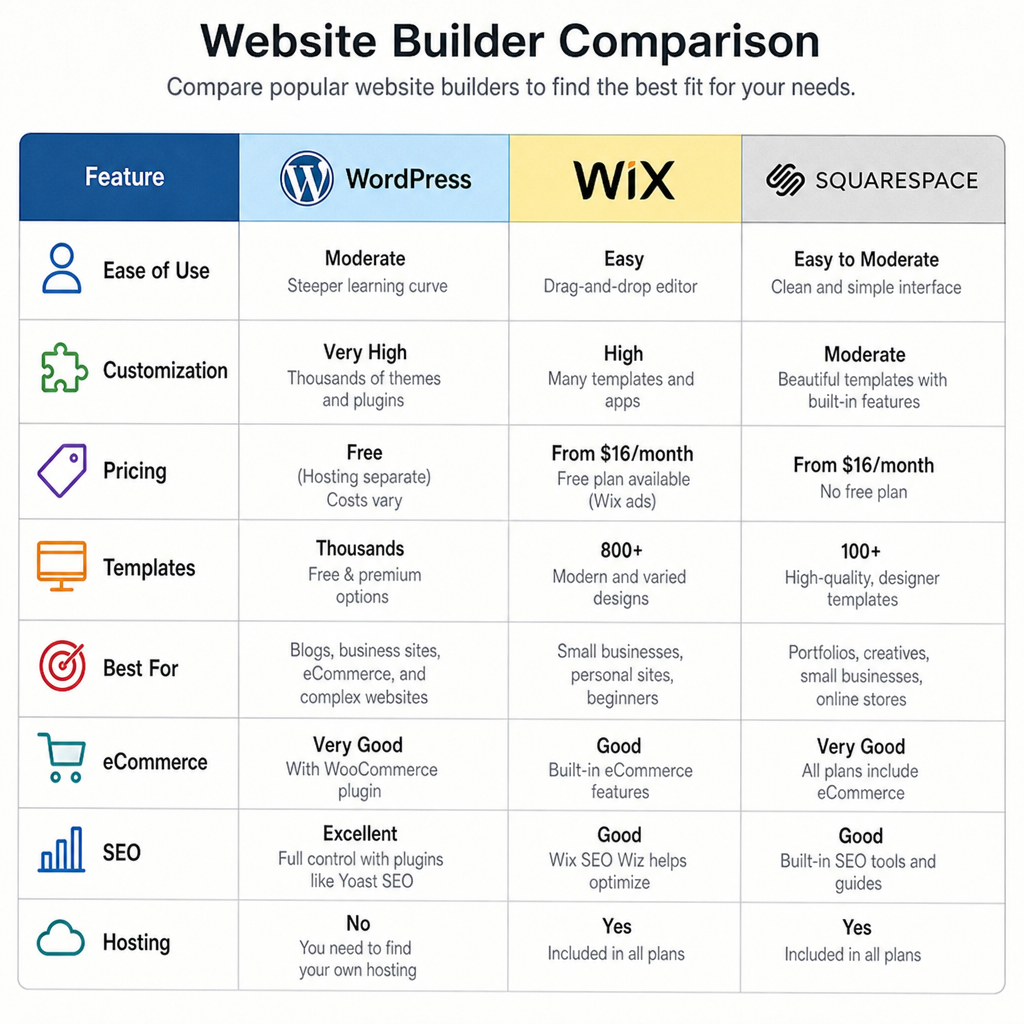
There is no one-size-fits-all solution for web design. The right platform depends entirely on your industry, technical skill level, and long-term goals.
The All-in-One Solutions for Beginners
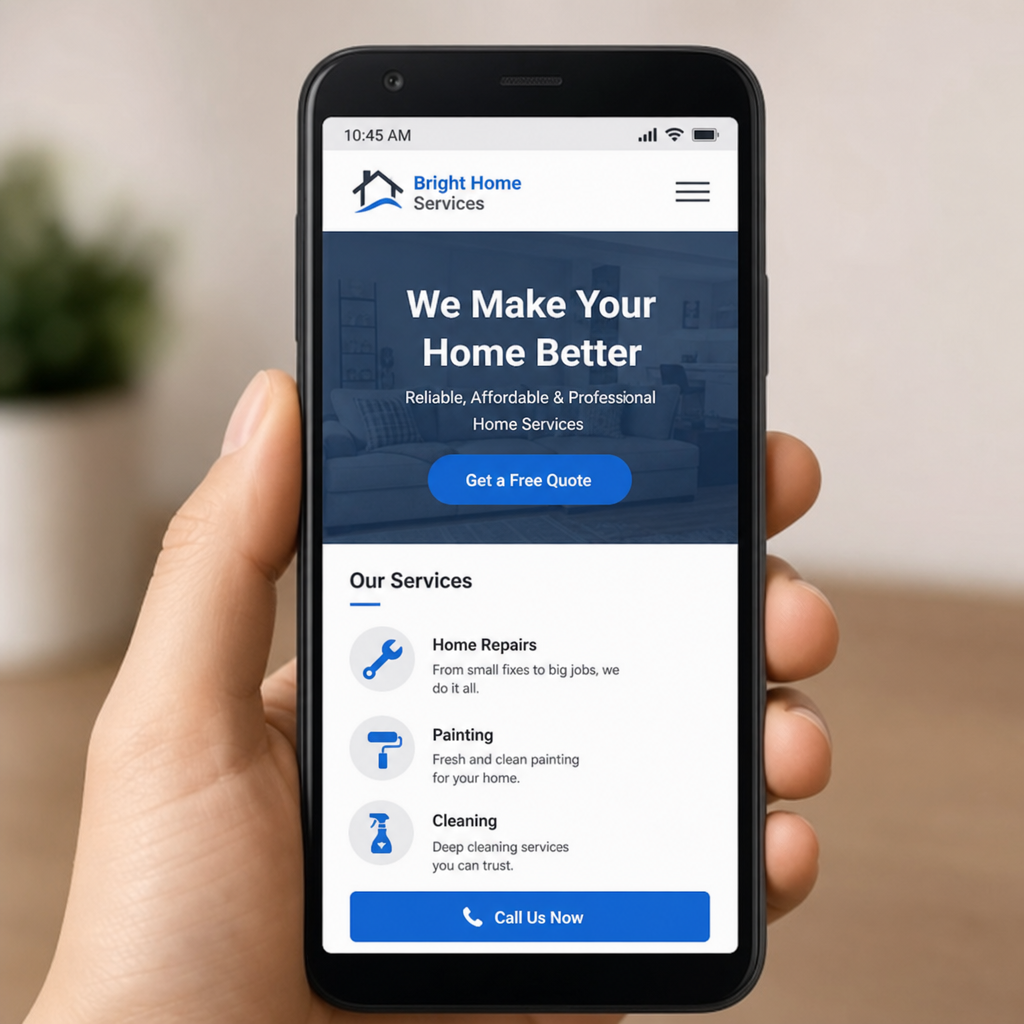
If you have zero coding experience and want to get online quickly, platforms like Wix and Weebly shine. Wix is widely considered the easiest website builder for non-techies. Its intuitive drag-and-drop interface allows you to place elements exactly where you want them. Furthermore, these platforms provide excellent mobile responsive templates for local brands. With over half of all global web traffic coming from smartphones, having a site that automatically adapts to mobile screens is an absolute necessity, especially for local businesses relying on foot traffic.
Solutions for Service Providers and Creatives
When it comes to service-based industries (like consulting, coaching, or home services), the debate often comes down to Squarespace vs WordPress for service businesses.
- Squarespace: Offers beautiful, curated templates that are practically foolproof. It is an excellent choice if you want a hands-off approach to maintenance.
- WordPress: Offers unmatched customization and SEO capabilities, but requires a steeper learning curve.
For artists, photographers, and designers, visual presentation is everything. Luckily, there are specialized portfolio website builders for creative entrepreneurs. Platforms like Squarespace, Format, and Fabrik offer stunning gallery layouts designed specifically to make high-resolution imagery pop without slowing down the browser.
Additionally, if your business relies on appointments, look for platforms that natively support integrated booking systems for service providers. Having a built-in calendar where clients can schedule and pay for appointments drastically reduces administrative friction.
Powering Online Sales
If your primary goal is selling physical or digital products, you need a robust digital storefront. Shopify and BigCommerce consistently rank as the top-rated ecommerce platforms for startups. They offer seamless inventory management, secure checkout gateways, and easy integration with social media marketplaces.
The Self-Hosted Route: Navigating Web Hosting
While all-in-one builders are great, many businesses eventually outgrow them and turn to self-hosted WordPress.org for ultimate control. But to run a WordPress site, you need to rent space on a server.
Choosing the Right Host
If you choose the self-hosted route, the immediate question is what hosting company to partner with. The market is saturated, making it essential to read unbiased web hosting reviews to identify recommended web hosts that align with your needs.
For startups with tight budgets, looking into cheap web hosting services (like shared hosting) is usually the first step. However, a word of caution: the absolute cheapest hosting site on the market is rarely the best choice. Ultra-cheap hosts often cram thousands of websites onto a single server, resulting in slow load times and frequent crashes. Instead of just looking for the lowest price tag, look for the best cheap web hosting—a provider that balances low introductory costs with reliable uptime guarantees and solid infrastructure.
DIY vs. Managed Hosting
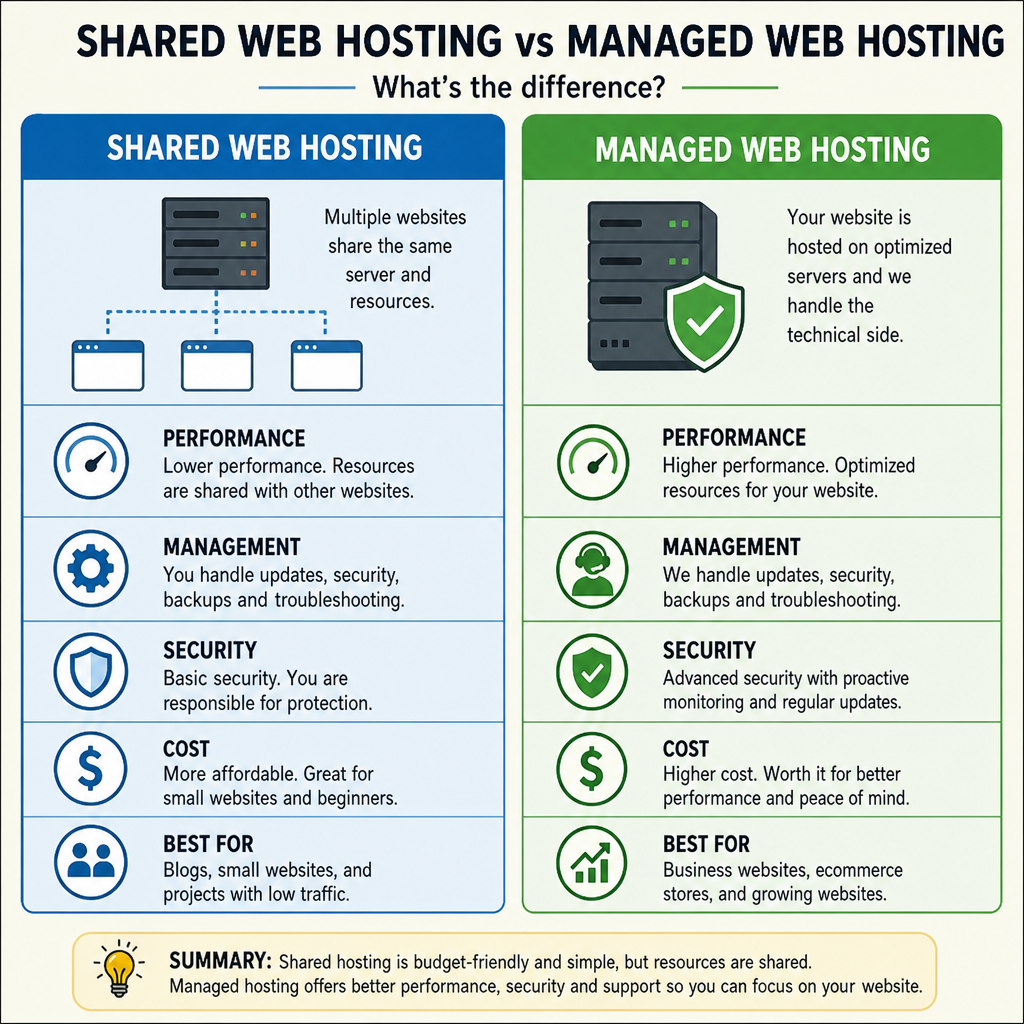
When evaluating the best web hosting for small business, you will likely have to choose between standard shared hosting and managed hosting. Looking at managed WordPress hosting vs DIY builders is an important comparison.
- DIY / Shared Hosting: Highly affordable, but you are responsible for updating WordPress core, managing plugin updates, and handling daily backups.
- Managed WordPress Hosting: Providers like WP Engine or Kinsta cost more, but they handle all technical backend tasks, optimize server speed specifically for WordPress, and provide enhanced security. For busy business owners, managed hosting is often worth the extra investment.
Essential Features Your Website Cannot Ignore
Regardless of which platform or host you select, your small business website must incorporate a few non-negotiable features to succeed in today’s competitive digital landscape.
Prioritizing Security
Cyberattacks do not just target massive corporations; small businesses are incredibly vulnerable. You must understand SSL certificates and website security basics. An SSL (Secure Sockets Layer) certificate encrypts the data passing between your website and your visitors. Not only does this protect sensitive customer information, but search engines like Google will actively penalize sites that lack an SSL certificate by displaying a glaring “Not Secure” warning to visitors.
Search Engine Visibility
A beautiful website is useless if no one can find it. You need to equip your platform with essential SEO tools for new websites. If you use WordPress, plugins like Yoast SEO or Rank Math are invaluable. These tools help you optimize your meta titles, descriptions, and keywords, ensuring that when potential customers search for your services locally, your business actually appears on the first page of search results.
Speed and Performance
Modern consumers have notoriously short attention spans. If your page takes more than three seconds to load, a significant portion of your visitors will bounce to a competitor’s site. This is why website speed optimization for mobile users is a critical priority. You can achieve this by compressing your image files, utilizing browser caching, and relying on a Content Delivery Network (CDN) to deliver your site’s assets quickly, regardless of where your customer is geographically located.
Planning for the Future: Support and Scalability
A website is never truly “finished.” It is a living digital asset that will grow alongside your business. Therefore, you must think long-term when selecting your platform.
The Value of Customer Support
Tech hiccups are inevitable. A plugin might conflict, a page might go down, or an email server might fail. When things go wrong, you don’t want to be stuck reading through generic community forums. Before committing to a provider, spend time evaluating customer support of web hosting companies and site builders. Look for providers that offer 24/7 live chat or phone support. A provider’s responsiveness can be the difference between a minor ten-minute inconvenience and a catastrophic multi-day outage that costs you thousands in lost revenue.
Preparing to Scale
Finally, consider where your business will be in three to five years. You might start with a simple one-page site today, but eventually, you may need to add a massive ecommerce catalog, a membership portal, or a sprawling blog. While simple platforms are great for starting out, you may eventually find yourself migrating to a more scalable site platform, like moving from a basic Wix plan to a robust, self-hosted WordPress environment. Choosing a platform that allows for easy data export will save you massive headaches down the road.
Final Thoughts
Building your online presence is one of the most exciting steps in your entrepreneurial journey. By understanding your budget, analyzing your specific technical needs, and prioritizing security and speed, you can confidently choose the perfect digital home for your brand. Take your time, weigh your options, and build a website that not only looks fantastic but acts as a tireless, 24/7 engine for your business growth.
For affordable hosting, a free domain and beginner-friendly website tools, explore Hostinger’s hosting plans.
“This article contains affiliate links, meaning we may earn a commission at no additional cost to You “ editorial@BLAK BEIGE