

Launching a new website is an exciting milestone, whether you are starting a personal blog, a small business portfolio, or a local community forum. However, before your site can go live, you need a place for it to live on the internet. With so many technical terms and hosting tiers available, making the right choice can feel overwhelming.
Discover which low-cost hosting companies offer the best balance of speed, features and support in our cheap hosting providers guide.
If you are just starting out, shared hosting is widely considered the undisputed champion of the web hosting world. But why is it so popular, and more importantly, is it the right fit for your digital project?
Let’s dive into the core mechanics of this service, unpack the incredible benefits it offers, and clear up a few common industry myths along the way.
Understanding the Basics: What Exactly is it?
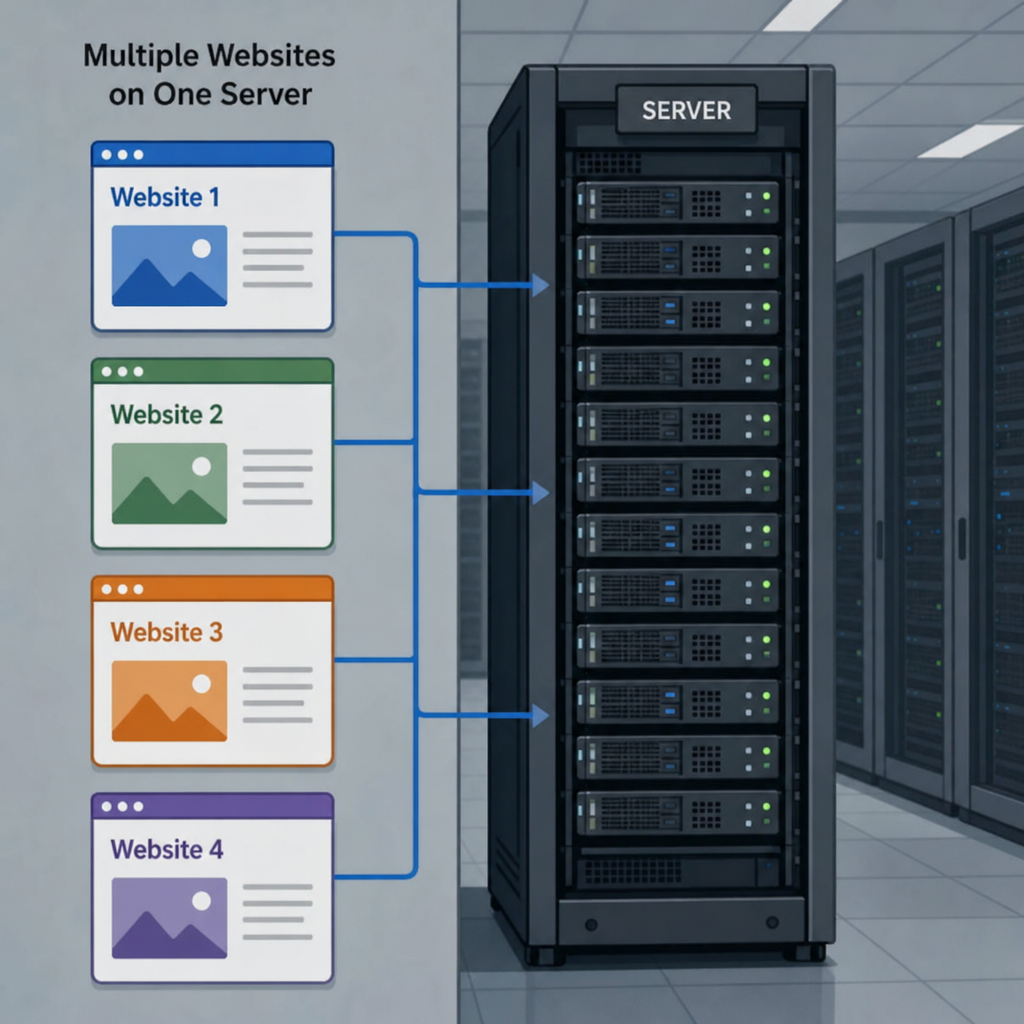
For anyone asking, “what is shared web hosting service?”, the concept is remarkably simple. Imagine renting an apartment in a large building. You have your own private living space, but you share the building’s core resources—like the plumbing, electricity, and hallways—with other tenants.
A shared server operates on the exact same principle. Your website resides on a single physical server alongside hundreds (or sometimes thousands) of other websites. In this web shared ecosystem, all the sites draw from the server’s collective resources, including its CPU, RAM, and storage drive. Because the overarching costs of maintaining the physical hardware are split among all the users, the provider can offer the service at a fraction of the cost of dedicated hardware.
The Unbeatable Benefits of Shared Hosting Plans
When you choose a high-quality shared plan, you are not just getting server space; you are getting a comprehensive toolkit designed to get your site off the ground quickly.
1. The Most Affordable Web Hosting for Beginners
The primary draw is cost-effectiveness. Because maintenance and hardware costs are distributed, shared plans represent the most affordable web hosting for beginners. You can often secure a robust plan for just a few dollars a month. This low barrier to entry allows you to invest your remaining budget into other critical areas, like premium website themes, marketing campaigns, or content creation.
2. Value-Packed Freebies
To stay competitive, hosting providers bundle their entry-level plans with highly valuable perks. It is incredibly common to sign up and immediately receive a free SSL certificate and domain name for your first year.
- Domain Name: The web address users type to find you (e.g., yourwebsite.com).
- SSL Certificate: The cryptographic protocol that secures data passed between your site and your visitors, represented by the padlock icon in the browser bar.
3. Extremely User-Friendly Management
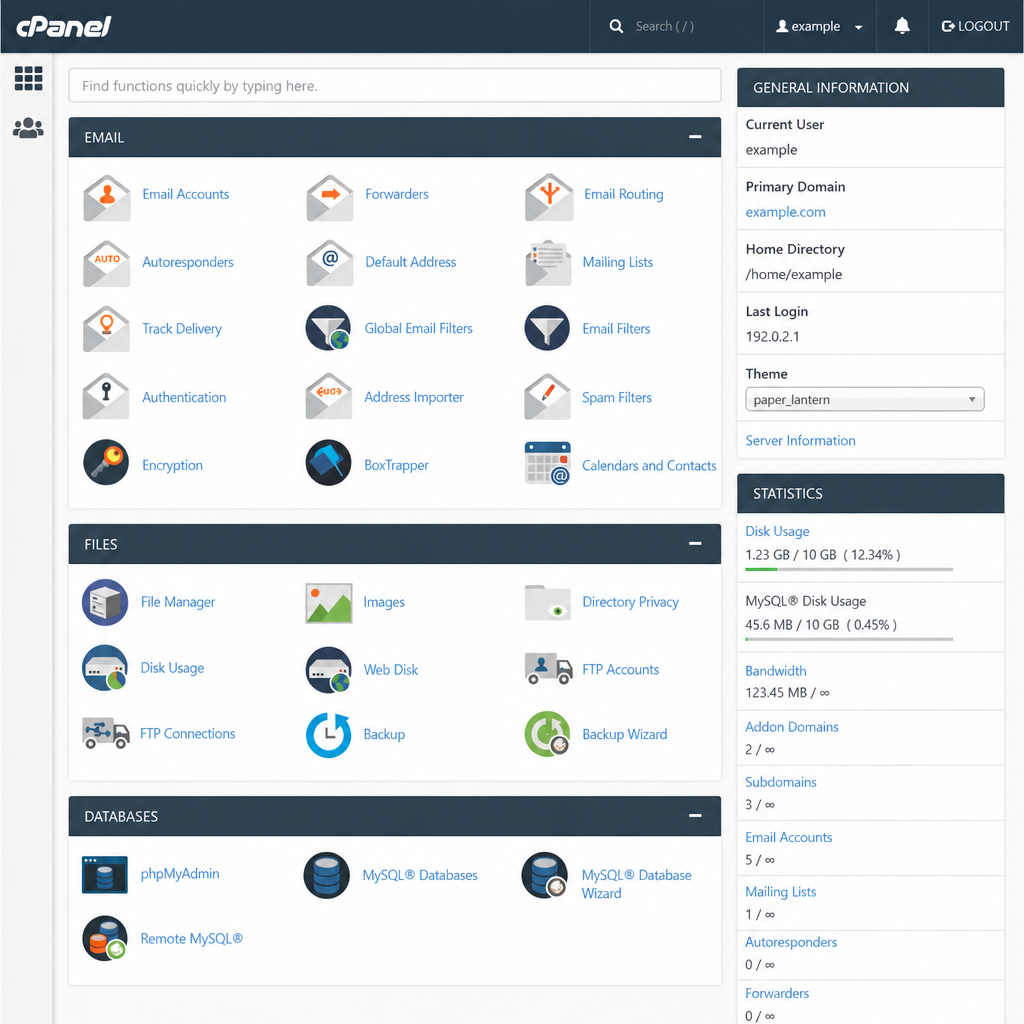
You do not need a degree in computer science to run a website today. The best shared hosting providers utilize intuitive, graphical interfaces to help you manage your server space.
By exploring standard cPanel control panel features, you will find that managing your digital real estate is as easy as navigating a smartphone. From the cPanel dashboard, you can easily create custom email addresses (like hello@yourwebsite.com), manage your files, back up your databases, and monitor your visitor statistics without ever touching a line of code.
4. Seamless Software Integration
Modern shared platforms come equipped with one-click software installers, such as Softaculous. These scripts eliminate the headache of manual database configuration. If you are setting up WordPress on a budget, for instance, these installers allow you to deploy the world’s most popular Content Management System in under two minutes with a single click.
Performance Matters: The Shift to SSDs
A common historical critique of shared environments was sluggish speed. Today, that narrative has changed dramatically thanks to advancements in storage technology.
When shopping around, you should specifically look for ssd shared hosting. Solid State Drives (SSDs) have no moving parts, meaning they can read and write data significantly faster than traditional Hard Disk Drives (HDDs). Investing in the best ssd shared hosting you can find is one of the most proactive steps you can take for fixing slow website loading times. Fast loading speeds not only keep your visitors happy but also signal to search engines like Google that your site provides a good user experience, boosting your SEO rankings.
Actionable Tip: To maximize your speed further, look for a host that offers seamless Content Delivery Network integration. A CDN (like Cloudflare) stores cached copies of your website on global servers, ensuring that a visitor from London loads your site just as fast as a visitor from New York.
Debunking Common Myths and Addressing Limitations
While the benefits are plentiful, it is equally important to understand the realities of sharing a server so you can manage your expectations.
Myth 1: “Unlimited” Truly Means Infinite
Many providers advertise “unlimited bandwidth” and “unlimited storage.” It is crucial to dispel these unlimited bandwidth and disk space myths. In reality, “unlimited” means you will not be strictly metered or charged overage fees for normal, everyday usage. However, all accounts are bound by Fair Use Policies. If your site suddenly attempts to host terabytes of downloadable video files, you will be asked to upgrade.
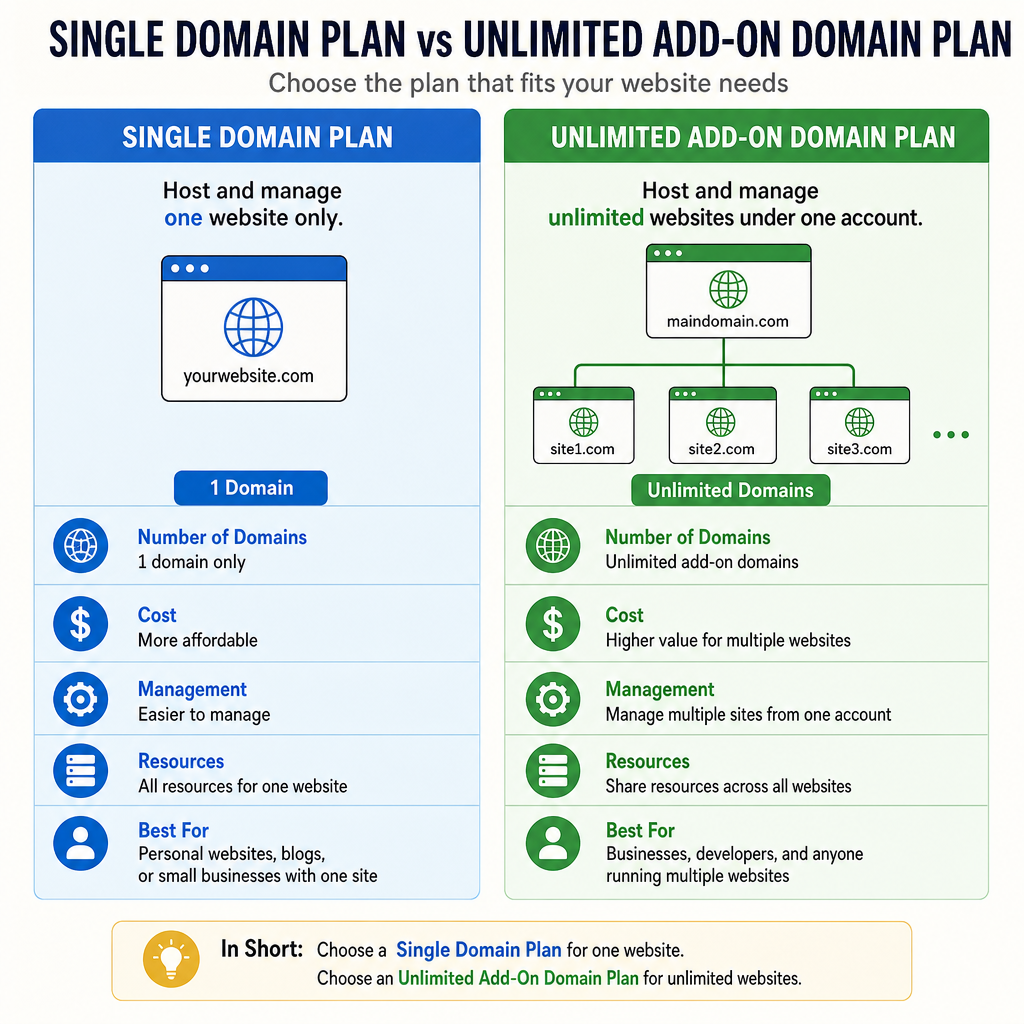
Myth 2: You Can Only Host One Site
A frequent question from newcomers is: how many websites can I host on one account? The answer depends on the specific tier you purchase. While absolute bare-bones “starter” plans usually limit you to a single domain, mid-tier and premium shared plans often allow you to host unlimited websites (add-on domains) under one single billing account, making it perfect for serial entrepreneurs.
The Reality of Resource Limits
Because you are sharing hardware, hosts must impose strict server resource allocation limits to ensure fair play. If one website on your server goes viral and starts hoarding all the CPU and RAM, it could slow down your website. This is known as the bad neighbor effect on server performance. Fortunately, reputable hosts use software like CloudLinux to isolate accounts, heavily mitigating this risk and ensuring that a spike in your neighbor’s traffic doesn’t crash your site.
Security and Business Viability
Security is paramount, especially if you are handling user data or financial transactions.
Is a Shared Environment Safe for E-commerce?
Many small business owners ask: is a shared environment safe for e-commerce? The short answer is yes, provided you take the right precautions. If you are launching a small boutique or selling a handful of digital products, a shared plan is perfectly fine.
However, you must ensure your free SSL is active, keep your plugins updated, and use secure payment gateways (like Stripe or PayPal) that process credit cards off-site. As your store grows to handle thousands of daily transactions, you will eventually outgrow the security and resource confines of a shared setup, but it is an excellent, safe incubator for a new online store.

Planning for the Future: When to Upgrade
Shared hosting is the perfect starting line, but what happens when your website becomes wildly successful? Understanding your upgrade paths early on will save you a headache later.
Managed vs. Unmanaged Services
When browsing hosting types, you will often see managed vs unmanaged service options. Almost all shared hosting is managed, meaning the hosting company handles server maintenance, security patches, and hardware updates. As you move up to more advanced hosting, you will have the choice to save money with an unmanaged server (where you do the technical upkeep) or pay a premium for a managed one.
Stepping Up to VPS
Eventually, your traffic will exceed shared resource limits. Understanding the difference between VPS and basic server plans is your next step. A Virtual Private Server (VPS) is still a shared physical machine, but it acts like a dedicated server. You are given a guaranteed, fenced-off chunk of RAM and CPU that belongs solely to you. There is no bad neighbor effect on a VPS.
The Cloud Horizon
For ultimate scalability, you might eventually find yourself migrating to cloud hosting solutions. Cloud hosting spreads your website’s data across a network of interconnected servers. If one server goes down, another instantly takes its place, offering unparalleled uptime and the ability to scale resources up or down with a single click.
Final Takeaways
Choosing to build your digital presence on a shared server is a brilliant, cost-effective decision for 90% of new websites. By leveraging affordable plans, you gain access to powerful tools, from intuitive control panels to rapid SSD speeds, without breaking the bank.
Start by finding a reputable provider that offers clear resource policies, robust customer support, and easy software installers. By starting small and smart, you give your website the secure, reliable foundation it needs to grow, thrive, and eventually conquer your digital niche.
Ready to launch or upgrade your website? Visit Hostinger and compare its hosting plans to find the right option for your needs.
“This article contains affiliate links, meaning we may earn a commission at no additional cost to You “ editorial@BLAK BEIGE