

Imagine pouring months of hard work into designing the perfect website, launching a highly anticipated marketing campaign, and finally seeing a flood of traffic—only for your server to crash under the pressure. For growing businesses, digital agencies, and e-commerce stores, this is a nightmare scenario. Your website is the digital storefront of your business, and its foundation must be rock solid.
Choosing the right host becomes easier when you compare the leading options, so take a look at our complete review of the fastest web hosting providers for 2026.
As your online presence expands, the technical demands of maintaining that foundation grow exponentially. You suddenly find yourself wrestling with database optimizations, security firewalls, and server configurations instead of focusing on what you do best: growing your business. This is exactly where managed hosting steps in to change the game.
Table of Contents
By partnering with a reliable team to handle your digital infrastructure, you eliminate the technical headaches of server maintenance. In this comprehensive guide, we will explore the profound benefits of a fully managed environment, providing you with actionable insights on how it can transform your digital operations.

What Exactly Are Managed Hosting Services?
To appreciate the value of premium hosting, we first need to understand the fundamental managed versus unmanaged server differences.
When you purchase an unmanaged server, the hosting company provides you with the physical hardware (or virtual space) and an operating system—nothing more. You are entirely responsible for installing software, configuring security, updating applications, and troubleshooting errors. It is the digital equivalent of renting an empty plot of land; you have to build and maintain the house yourself.
Conversely, managed hosting services provide you with a fully staffed, expertly built environment. The hosting provider leases you the hardware and takes on the day-to-day management of your hosted servers. They handle the operating system, server setup, hardware maintenance, software updates, and security protocols.
When weighing your options, the core advantages of premium server management boil down to one simple truth: it allows you to trade operational friction for digital acceleration.
The Core Benefits of Managed Website Hosting
Transitioning to a managed website hosting environment unlocks a wealth of advantages that directly impact your bottom line, user experience, and peace of mind. Here is a breakdown of why so many successful businesses make the switch.
1. Unmatched Performance and Blazing Fast Speeds
In today’s fast-paced digital world, a one-second delay in page load time can lead to a drastic drop in conversions. Search engines like Google also heavily penalize slow websites.
A top-tier managed web hosting provider will fine-tune your server environment specifically for your application (such as WordPress, Magento, or custom frameworks). They achieve this through advanced architecture, including server-side caching for performance. By storing frequently accessed data at the server level, caching drastically reduces the time it takes to deliver content to your visitors.
Actionable Tip: When interviewing potential hosts, ask about their specific caching technologies (like Redis or Varnish) and how they optimize their stack for your specific Content Management System (CMS).
2. Enterprise-Grade Security
Cyber threats are evolving daily, and small to medium-sized businesses are often prime targets. Relying on basic security plugins is no longer enough to protect sensitive customer data.
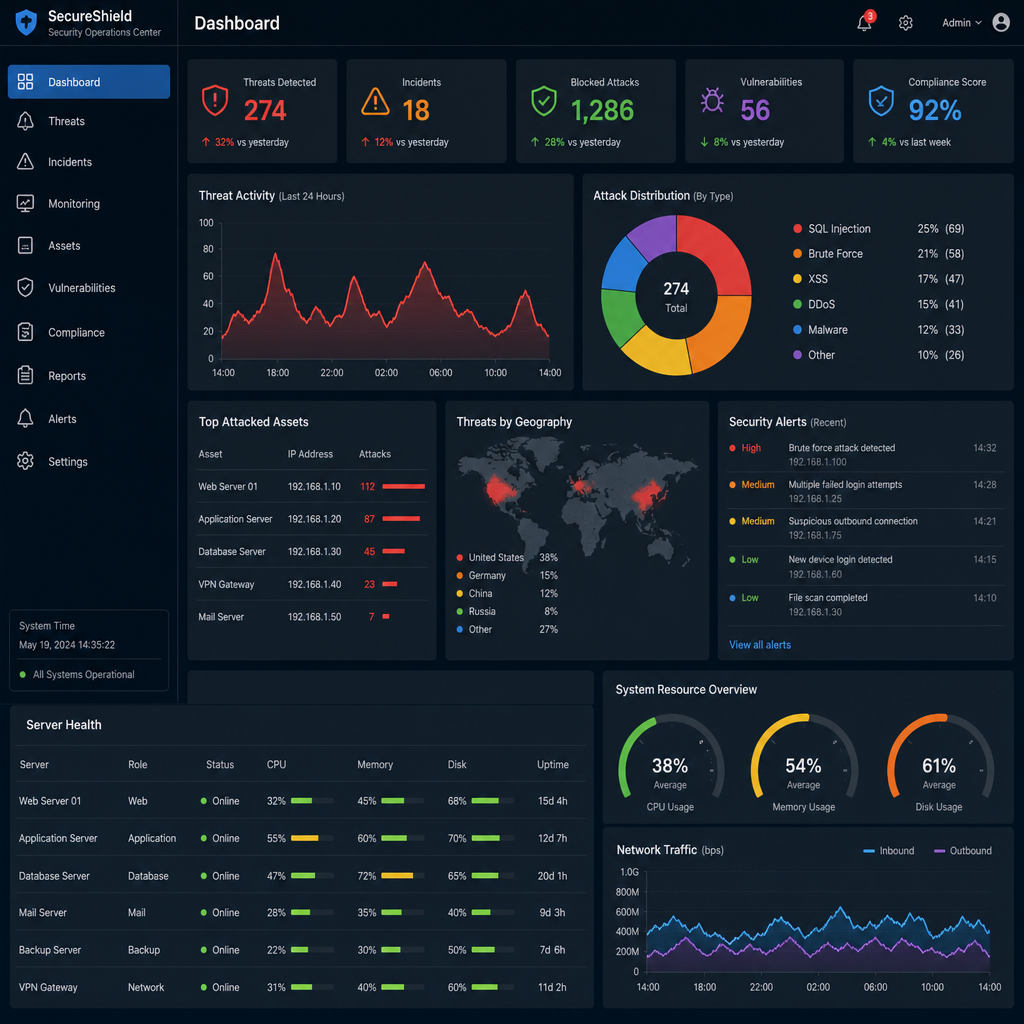
With managed hosting, security is baked into the infrastructure. Providers implement proactive server security patches at the operating system and application levels to close vulnerabilities before hackers can exploit them. Furthermore, they offer robust DDoS protection and mitigation services to filter out malicious traffic during a Distributed Denial of Service attack, ensuring legitimate users can always access your site.
- Continuous Monitoring: Systems are monitored around the clock for malware and suspicious login attempts.
- Firewalls: Web Application Firewalls (WAF) block SQL injections and cross-site scripting attacks.
- SSL Management: Automated installation and renewal of SSL certificates keep your data encrypted.
3. Seamless Scalability
Traffic is rarely consistent. Seasonal sales, viral social media posts, or a successful product launch can cause massive spikes in visitors. If your server cannot handle the load, your site will go down, taking your revenue and reputation with it.
One of the greatest benefits of modern managed hosting is the ease of scaling resources during traffic spikes. Whether you need to temporarily increase RAM and CPU power for a Black Friday sale or permanently upgrade your server due to steady business growth, a managed provider can execute these changes swiftly and without prolonged downtime.
4. Ironclad Data Protection
Data loss can be catastrophic. Whether it is caused by a malicious hack, a flawed plugin update, or simple human error, losing your website data can set your business back months.
High-quality managed hosting providers eliminate this risk by implementing automated daily website backups. These backups are typically stored off-site in secure, redundant locations. If a disaster occurs, you can restore your entire website to a previous working state with just a single click or a quick support ticket.
5. Outsourcing the Heavy Technical Lifting
Time is your most valuable asset. Outsourcing server administration tasks allows your internal IT team (or yourself, if you are a solopreneur) to focus on revenue-generating activities rather than tedious maintenance.
Part of this maintenance includes automated software update deployment. Outdated software is the leading cause of website security breaches. Managed hosts ensure that your server’s operating system, PHP versions, and core application software are continuously updated and tested for compatibility, significantly improving website uptime and reliability.
The Transition: Upgrading Your Environment
Many websites start on shared hosting plans because they are incredibly cheap. However, shared hosting puts your website on the same server as hundreds of others. If another site on your server experiences a traffic spike or gets hacked, your site’s performance can suffer.
Migrating from shared to dedicated environments (or dedicated cloud resources) is a critical milestone for a growing business. While the technical process of moving databases, files, and DNS records can seem daunting, this is another area where managed hosting shines. Most premium providers offer free, white-glove migration services. Their engineers will handle the entire transfer process in the background, test the new environment thoroughly, and flip the switch with zero downtime.
Actionable Tip: Look for a host that provides a staging environment as part of the migration process. This allows you to test your website on the new server before pointing your live domain to it, ensuring a flawless transition.

Support and Guarantees You Can Rely On
Technology is imperfect, and eventually, you will run into a hiccup. When your website goes down at 2:00 AM on a Sunday, you cannot afford to wait until Monday morning for an email reply.
This is why 24/7 technical expert assistance is a non-negotiable feature of managed web hosting. Unlike budget hosts that outsource their support to entry-level call centers, premium managed hosts employ Tier 3 system administrators. When you open a chat or pick up the phone, you are speaking directly to an engineer who has the access and knowledge to fix your problem immediately.
Furthermore, this level of service is backed by legally binding hosting provider service level agreements (SLAs). An SLA outlines the specific guarantees your host is making regarding uptime (often 99.9% or 99.99%) and hardware replacement times. If they fail to meet these metrics, the SLA dictates how you will be compensated, ensuring the host is financially motivated to keep your site online.
Embracing Advanced Cloud Architectures
As the digital landscape matures, traditional single-server setups are being replaced by dynamic cloud environments. If you are wondering why choose a managed infrastructure provider over building your own cloud setup on AWS or Google Cloud, the answer lies in complexity.
Raw cloud platforms are incredibly powerful but notoriously difficult to configure and optimize. A managed provider acts as a bridge, giving you the power of enterprise cloud networks without the steep learning curve. They implement sophisticated cloud infrastructure optimization strategies, such as load balancing, auto-scaling clusters, and global Content Delivery Network (CDN) integration.
By taking advantage of these modern architectures, your website becomes globally available, highly redundant, and capable of delivering content to a user in Tokyo just as fast as a user in New York.

How to Choose the Right Provider
Not all managed hosting solutions are created equal. As you begin your search, keep these critical factors in mind to ensure you choose the best partner for your business:
- Specialization: Does the host specialize in your specific CMS or application? A host optimized strictly for WordPress will offer different advantages than one optimized for custom Node.js applications.
- Transparency: Are their pricing models and resource limits clear? Avoid hosts that promise “unlimited” everything, as this usually hides strict, unspoken fair-use policies.
- Reviews and Reputation: Look for independent reviews regarding their customer support. Test their pre-sales live chat to gauge their response times and technical knowledge.
- Security Posture: Ensure they explicitly detail their security measures, including malware scanning, firewalls, and DDoS mitigation strategies.
Conclusion
Your website is an investment, and the infrastructure it lives on should protect and nurture that investment. While unmanaged hosting might save you a few dollars upfront, the hidden costs of downtime, security breaches, and lost productivity can be devastating.
By choosing managed hosting services, you are not just renting server space; you are hiring a dedicated team of system administrators, security experts, and performance optimizers. From automated daily website backups to expert troubleshooting, a premium host provides the foundation you need to scale confidently. Free yourself from the burdens of server management, and get back to what truly matters—building your brand, engaging your audience, and driving your business forward.
Hostinger offers beginner-friendly hosting, strong performance and competitive pricing, so view its available hosting options here.