

Homepage SEO Tips: Boost Your Visibility Fast
Optimizing your homepage is crucial for online success. It’s often the first impression visitors have of your site. A well-optimized homepage can significantly boost your site’s visibility and ranking.
Understanding what is search optimization is key. It involves various strategies to improve your site’s position in search results. This guide will provide essential homepage SEO tips for beginners.
You’ll learn about seo positioning , seo strategy and how to do seo for website effectively. We’ll cover everything from technical SEO essentials to crafting compelling content. These tips will help you create a homepage that attracts and retains visitors.
Whether you’re a small business owner or a digital marketer, these strategies are designed to enhance your homepage’s performance. Let’s dive into the world of search engine optimization and unlock your website’s potential.
Table of Contents
What is Homepage SEO and Why Does It Matter?
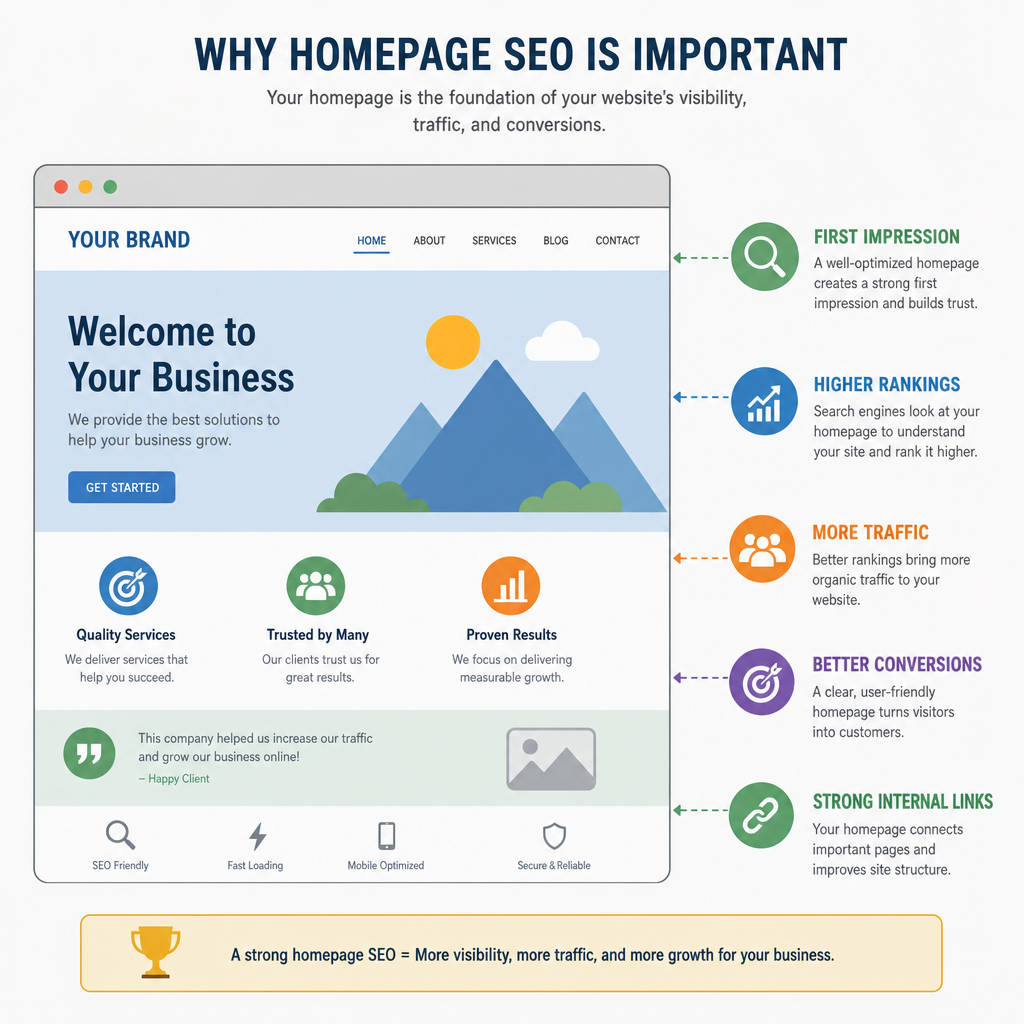
Homepage SEO involves optimizing the main page of your site for search engines. It is about making your site more visible to potential visitors. A well-optimized homepage helps attract relevant traffic, boosting your online presence.
The homepage is typically the most visited page. It sets the stage for the rest of your website. Therefore, its optimization is crucial for achieving top seo results and improving user experience.
Here’s why homepage SEO matters:
- First Impression: It’s the entry point for many visitors.
- Search Engine Visibility: Impacts how your site ranks on search engines.
- User Engagement: Affects how users interact with your site.
Understanding seo web page design is also vital. A user-friendly design enhances both visibility and usability. An impactful homepage can lead to higher engagement and conversions.
Laying the Foundation: Technical SEO Essentials
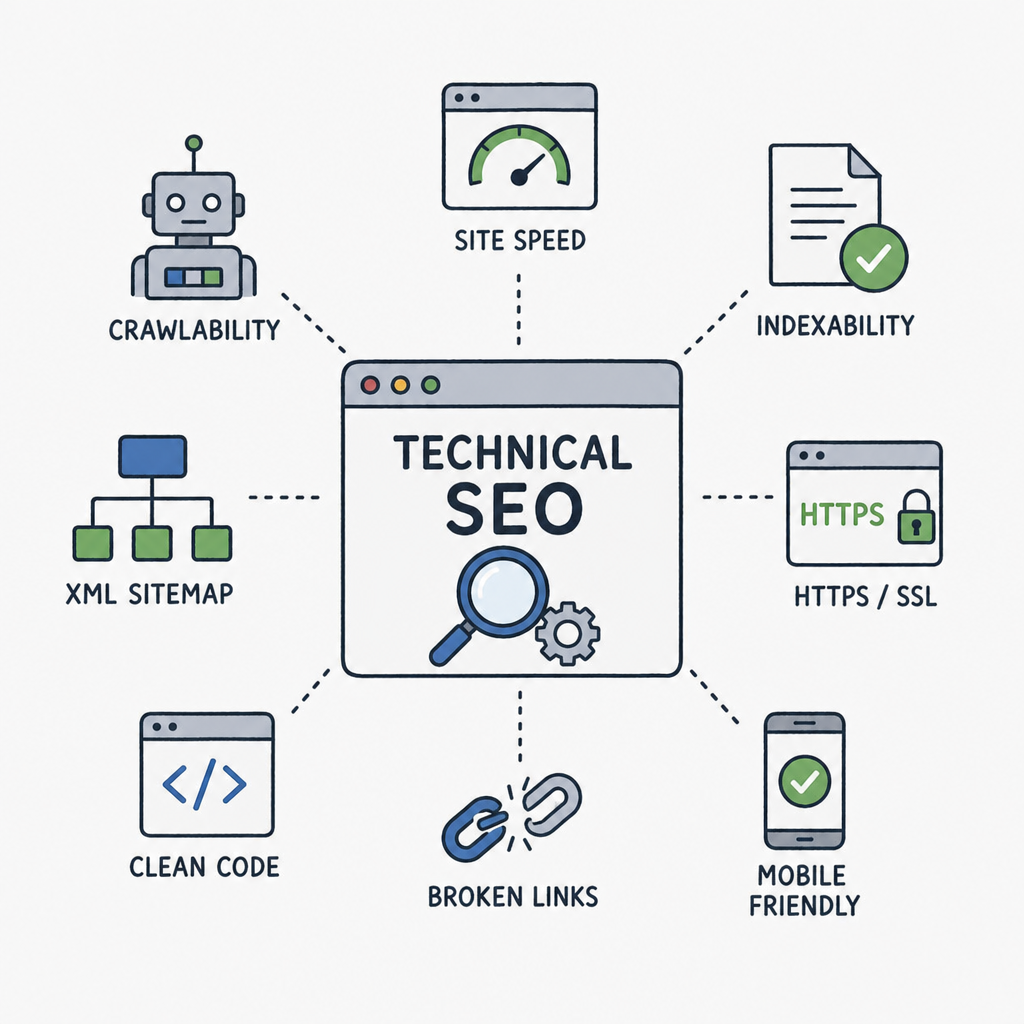
Technical SEO forms the backbone of an effective homepage. It ensures search engines can crawl and index your site effectively. Proper implementation leads to enhanced seo positioning.
To start, ensure your homepage loads quickly. Slow loading pages can deter visitors and hurt rankings. Tools like Google PageSpeed Insights can help identify speed issues.
Mobile optimization is also key. With growing mobile users, a responsive design is crucial for good SEO. Make sure your homepage displays correctly on all devices.
Here are some technical essentials:
- HTTPS: Secure your homepage with HTTPS for better SEO.
- Sitemap: Create a sitemap for easy crawling.
- URL Structure: Use clean and keyword-rich URLs.
Implementing these will benefit your homepage search optimization. Don’t ignore accessibility standards. Ensure all users, including those with disabilities, can access your content.
Finally, use structured data or schema markup. This helps search engines understand your content better. Improved clarity can lead to enhanced search engine optimization.
Keyword Research for Your Homepage
Keyword research is vital for a successful SEO strategy. It helps identify terms your audience uses. This improves visibility and attracts the right visitors.
Begin by using keyword research tools like Google Keyword Planner. Identify both short and long-tail keywords relevant to your homepage. Long-tail keywords often have less competition and can drive targeted traffic.
Incorporate these keywords naturally into your title, headers, and content. Overstuffing keywords can harm your SEO efforts. Ensure your content remains readable and meaningful. Balance is key to optimizing seo web page design.
Steps for Effective Keyword Research:
- Identify primary and secondary keywords.
- Analyze competitor keywords and strategies.
- Use tools to discover keyword trends.
Remember to consider user intent during your research. Understanding what your audience seeks will improve your search optimization efforts. Align your keywords with what visitors expect to find.

Crafting Effective Title Tags and Meta Descriptions
Title tags and meta descriptions are crucial for SEO positioning. They influence click-through rates and user engagement. Effective tags provide a summary of your page content.
Title tags should be concise yet descriptive. Include your primary keyword naturally within 50-60 characters. This helps search engines understand and rank your page content effectively.
Meta descriptions offer more detail about what users can expect. Aim for 150-160 characters that reflect the page’s main points while attracting clicks. Use relevant keywords but avoid overuse.
Tips for Crafting Titles and Meta Descriptions:
- Keep them concise and informative.
- Use active language to engage users.
- Avoid duplicate tags and descriptions.
Regularly review and update these elements based on performance data. Test different phrases to find the most effective combinations. This ongoing optimization supports top SEO performance.
Homepage Content: Structure, Messaging, and User Experience
The structure of your homepage significantly impacts user experience and search optimization. A clear layout helps visitors quickly find what they need. Organize content logically to guide users naturally.
Messaging should be concise yet impactful. Engage visitors with a clear headline that highlights your value. Use simple language to communicate effectively without overwhelming the reader.
Craft content that speaks to your audience’s needs. Address common questions and provide solutions. This not only improves engagement but also strengthens your SEO web page design strategy.
Key Structure Elements to Include:
- Headline: Captures attention with a strong, clear message.
- Subheads: Break text into sections for easy reading.
Focus on user experience by ensuring easy navigation and fast loading times. These elements affect how users perceive your site and, indirectly, your SEO. Remember to update content regularly to keep it fresh and relevant.
Content Best Practices:
- Value Proposition: Clearly highlight what sets you apart.
- Call-to-Action: Guide visitors to the next step.

Create engaging, high-quality content that adds value. Maintaining user interest and meeting their expectations can lead to more conversions and better search rankings.
Optimizing Visual Elements and Multimedia
Visual elements can significantly enhance your homepage. They captivate visitors and break text monotony. However, improper optimization can slow page loading, affecting SEO negatively.
To optimize visuals, use descriptive file names and alt tags. This aids search engines in understanding content. When possible, compress images without sacrificing quality to maintain fast load times.
Consider diversifying with multimedia like videos. They can boost user engagement when used appropriately. Balance these elements with text to keep the page informative and quick to load.
Visual Optimization Tips:
- Descriptive Alt Tags: Make images searchable.
- File Names: Use clear, keyword-rich names.
- Compression: Maintain quality, reduce size.

Integrating optimized visuals not only enhances aesthetics but also improves user experience. Visitors are more likely to stay engaged, which can positively impact your rankings and conversions.
Internal Linking and Navigation Best Practices
An organized homepage with clear navigation aids both visitors and search engines. It helps users find information easily and improves their experience. Effective internal linking also distributes page authority throughout your site.
Ensure your homepage has a logical link structure. Use descriptive anchor text that naturally includes keywords. This improves both user experience and SEO positioning.
Key Navigation Tips:
- Concise Menus: Avoid clutter, highlight key sections.
- Descriptive Links: Use natural, informative text.
- Hierarchy: Organize content based on importance.

A clean, easy-to-navigate homepage builds user trust. It encourages longer visits, reducing bounce rates and supporting SEO efforts. Aim for intuitive navigation that aligns with users’ expectations and your business goals.
Building Trust: Social Proof, Reviews, and E-E-A-T
Building trust on your homepage is essential for engaging visitors. Social proof, such as customer reviews and testimonials, can significantly enhance credibility. These elements reassure potential customers about your product or service’s reliability.
Incorporate E-E-A-T principles: expertise, experience, authority, and trustworthiness. Demonstrating these qualities helps establish your site’s reliability in the eyes of both users and search engines. This is crucial for achieving top SEO results.
Ways to Enhance Trust:
- Testimonials: Share positive customer experiences.
- Certifications: Display industry credentials.
- Consistent Messaging: Ensure alignment across all content.

Fostering trust not only improves user experience but can also boost conversion rates. A trustworthy homepage encourages visitors to engage, explore further, and eventually convert, aligning with your site’s goals.
Mobile Optimization and Page Speed
In today’s digital age, mobile optimization is crucial for any homepage. Many users access websites via mobile, so a responsive design is essential. Ensuring your homepage looks great on all devices can enhance user experience and boost SEO performance.
Page speed is another critical factor for SEO. A fast-loading homepage reduces bounce rates and retains user interest. Tools like Google PageSpeed Insights can identify speed issues and suggest improvements.
Key Actions for Optimization:
- Compress Images: Use tools to reduce file sizes.
- Leverage Caching: Speed up load times for repeat visitors.
- Minimize Code: Streamline CSS and JavaScript.

Remember, both mobile optimization and page speed are vital for SEO success. Prioritize these aspects to improve search engine rankings and user satisfaction.
Local SEO for Homepages
Local SEO can significantly enhance your homepage’s visibility in specific geographic areas. If your business serves a local community, optimizing for local searches is crucial. Ensure your business information is consistent across all platforms to build trust and visibility.
Use local keywords in your homepage content and title tags. This helps search engines connect your business with local search queries effectively.
Focus Areas:
- Google My Business: Claim and optimize your profile.
- Local Keywords: Integrate into titles and content.
- Consistent NAP: Ensure Name, Address, and Phone Number consistency.

Monitoring, Analytics, and Continuous Improvement
Consistently monitor your homepage’s performance to stay ahead in SEO. Use analytics tools such as Google Analytics to track visitor behavior and identify patterns. This data can reveal areas requiring improvement.
Regularly review metrics like bounce rate and conversion rates. These insights are crucial for understanding user experience and engagement. Constant evaluation helps you make informed adjustments to your SEO strategy.
Key Actions:
- Track Metrics: Use analytics for insights.
- Make Adjustments: Optimize based on data.
- Stay Updated: Follow industry trends.

Common Homepage SEO Mistakes to Avoid
Avoid common SEO mistakes to enhance your homepage’s effectiveness. These errors can hinder your SEO efforts and reduce visibility.
Beware of issues like keyword stuffing or neglecting mobile optimization. Overlooking these aspects can harm your rankings and user experience.
Mistakes to Watch For:
- Keyword Stuffing: Use keywords naturally.
- Ignoring Mobile: Ensure mobile responsiveness.
- Overlooking Speed: Optimize for fast loading.
Conclusion: Your Next Steps for Homepage SEO Success
Optimizing your homepage can elevate your web presence and boost traffic. Start by implementing the tips discussed, focusing on clarity and relevance.
Consistently monitor your site’s performance to adjust strategies effectively. Remember, SEO is a continuous journey that requires regular updates.
For the complete process, read our complete guide to Top 10 SEO tricks.