
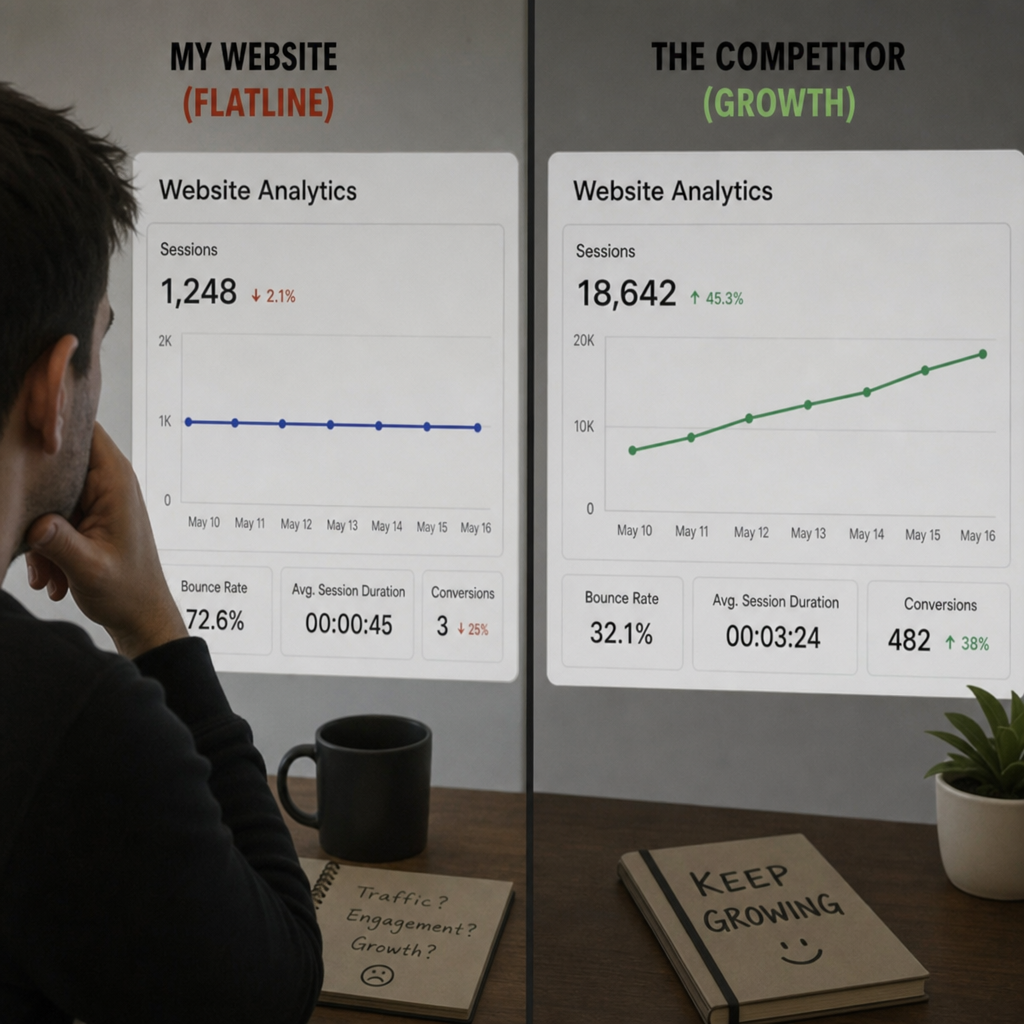
Imagine spending weeks—or even months—crafting the perfect digital storefront. The design is sleek, the copywriting is compelling, and your products or services are ready for the world. You finally hit “publish,” expecting a flood of eager customers. But days go by, and your analytics dashboard remains heartbreakingly flat.
If you are staring at a screen right now wondering, “do I need SEO for my website?“, the answer is an undeniable yes.
In the highly competitive world of digital marketing, simply having a domain name and a hosting plan is no longer enough. Your online presence is essentially a beautifully built shop hidden in the middle of a dense forest. Unless you build paved roads leading directly to your door, nobody will ever find it. Search Engine Optimization (SEO) is the process of building those roads.
Understanding the Core of Website Optimization
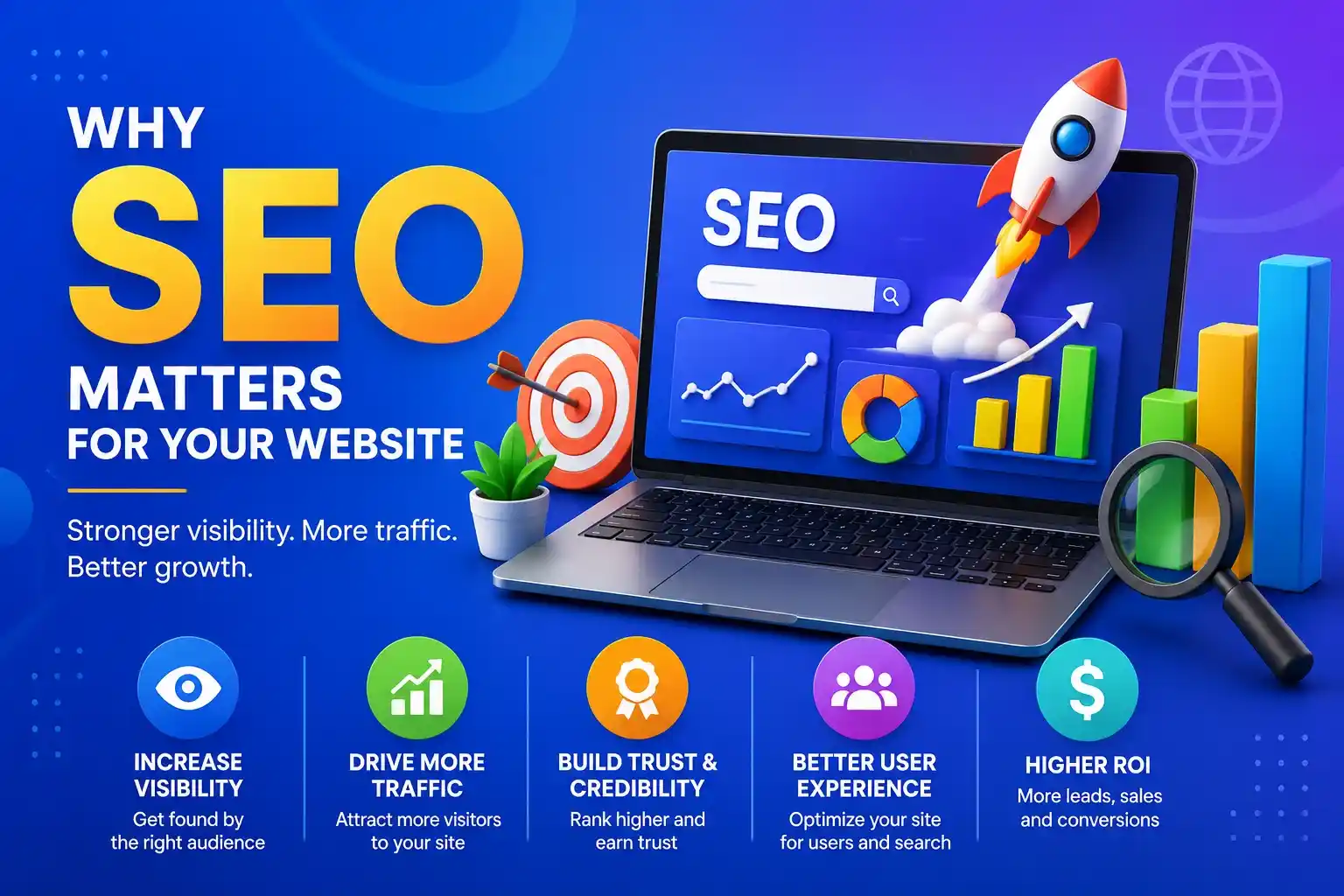
At its most basic level, SEO is the ongoing practice of website optimization. It involves tweaking your site’s technical setup, content relevance, and link popularity so its pages become easily findable and highly relevant to user search queries. Search engines like Google have one primary goal: to recommend the absolute best, most accurate answers to their users. SEO is how you prove to search engines that your website is that best answer.
The seo importance for your brand cannot be overstated. Without it, you are effectively invisible to the millions of people searching for the exact solutions you provide. You could have the most innovative product on the market, but if a competitor has an optimized site, they will capture the customers that should have been yours.
SEO vs PPC for New Websites: Finding the Right Balance
When businesses first launch, they are often faced with a critical marketing dilemma: should they invest in SEO or Pay-Per-Click (PPC) advertising?
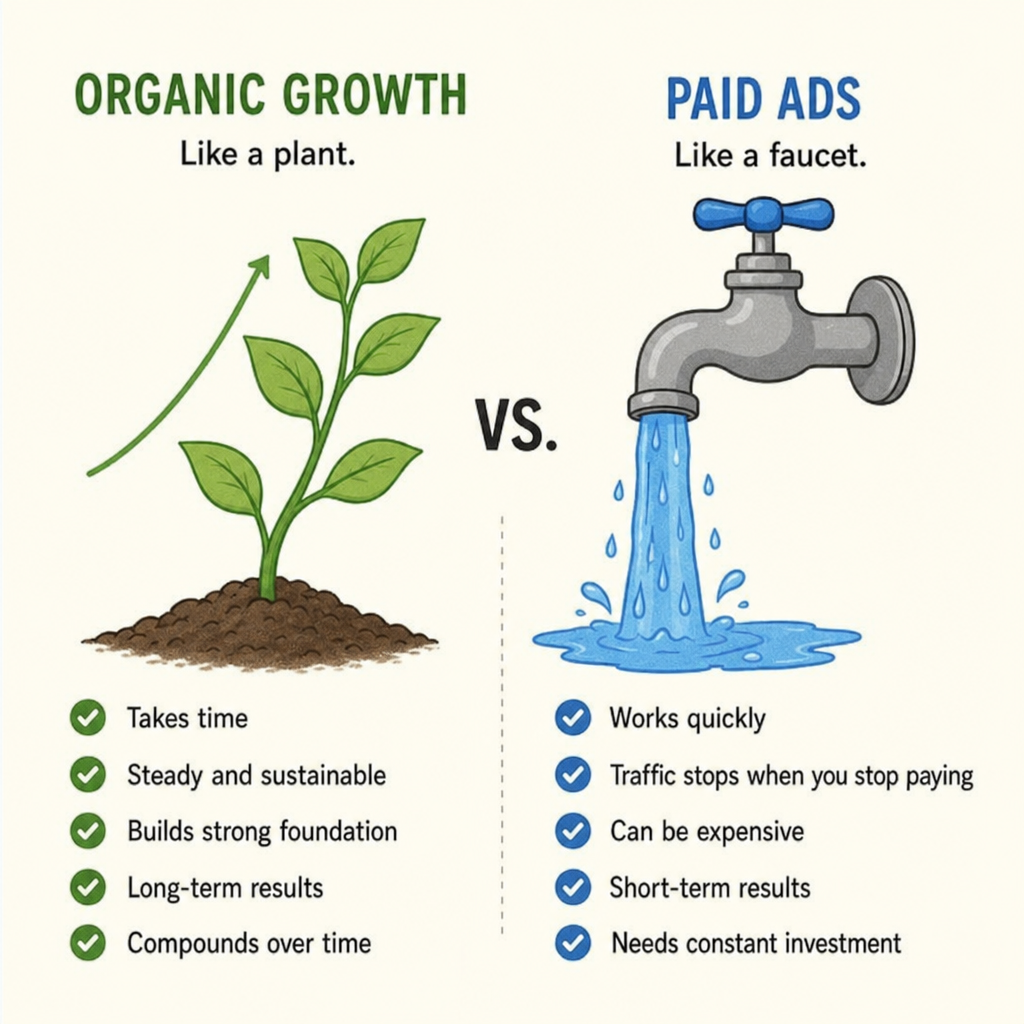
When looking at SEO vs PPC for new websites, it is essential to understand that they serve fundamentally different purposes. PPC (like Google Ads or social media advertising) acts like a water faucet. You turn it on by paying for ad placement, and traffic immediately flows in. However, the second your budget runs out and you stop paying, the traffic stops completely.
SEO, on the other hand, is like planting an orchard. It takes time, patience, and consistent nurturing before you see significant growth. But once those trees mature, they produce fruit year after year without requiring a daily ad budget.
The benefits of organic search traffic are immense. Organic visitors—those who find you naturally through search engines—tend to trust your brand significantly more than those who click on a sponsored ad. Because they are actively seeking out information, they are highly qualified leads. Furthermore, while search optimization requires an upfront investment of time or money, the ongoing cost per acquisition drops significantly over time, making it incredibly cost-effective.
Is Search Engine Optimization Worth It for Small Businesses?
A common misconception is that ranking on Google is only a playground for massive corporations with bottomless marketing budgets. This leads many local entrepreneurs to ask, is search engine optimization worth it for small businesses?
Absolutely. In fact, it is often the ultimate equalizer in the business world.
While small businesses might not be able to outspend corporate giants on television commercials or widespread billboard campaigns, they can outsmart them in search results through hyper-targeted strategies.
This is particularly true when we look at local SEO for service-based businesses. If you run a plumbing company, a dental clinic, or a boutique bakery, you don’t need to rank nationally. You only need to rank when someone in your specific city searches for “plumber near me” or “best bakery in [City Name].” Local SEO allows you to claim your Google Business Profile, gather local reviews, and target location-specific keywords. This strategy drives foot traffic and highly targeted local leads directly to your doorstep.
Core SEO Benefits and How They Impact Your Bottom Line
Investing in your search engine strategy does much more than just appease Google’s automated bots. It fundamentally improves your entire business model. Here are the primary seo benefits you can expect when you commit to the process:
1. Drives High-Quality Website Traffic and Boosts Search Ranking
The most obvious benefit is a massive increase in website traffic. By climbing to the first page of Google, your search ranking ensures that your business is put directly in front of consumers at the exact moment they are looking to buy. This isn’t interruptive marketing (like a pop-up ad); this is inbound marketing at its finest.
2. Delivers the Ultimate Long-Term ROI of Digital Marketing
Unlike social media posts that vanish from your followers’ feeds within 24 hours, a well-optimized piece of content can generate traffic for years. This compounding effect represents the true long-term ROI of digital marketing. Once you secure top rankings, you enjoy a steady stream of passive leads.
3. Focuses on Improving User Experience for Better Rankings
Modern SEO isn’t just about stuffing keywords onto a page; it’s about the human experience. Google actively rewards sites that are fast, secure, and intuitive to navigate. By improving user experience for better rankings, you are inadvertently creating a frictionless sales funnel for your visitors. A site that loads quickly keeps visitors engaged, reducing bounce rates and increasing conversions.
4. Emphasizes Mobile Responsiveness and Search Performance
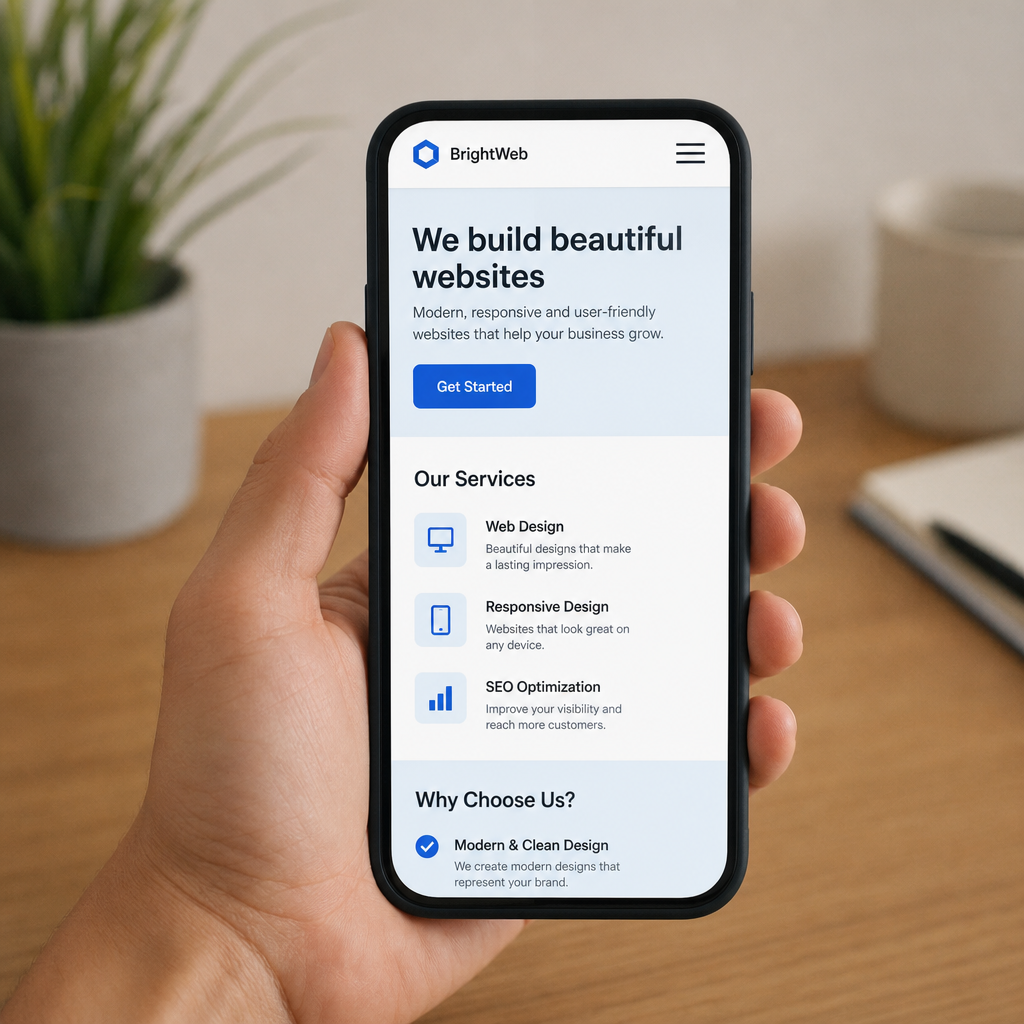
With the vast majority of global web traffic now coming from smartphones, search engines utilize mobile-first indexing. This means Google looks primarily at the mobile version of your site to determine its position. Ensuring mobile responsiveness and search performance go hand-in-hand. A site that adapts perfectly to any screen size will rank higher and capture the massive audience of on-the-go users.
Actionable Steps: How to Increase Organic Visibility
Knowing that you need optimization is one thing; actually executing it is another. If you are wondering how to increase organic visibility, it starts with implementing a few foundational strategies.
Demystify the Technology
You don’t need a degree in computer science, but understanding search engine algorithms on a basic level is crucial. Algorithms are simply sets of rules Google uses to rank pages. They look for three main things:
- Relevance: Does your page accurately answer the user’s question?
- Authority: Is your website a trusted source of information?
- Usability: Is your site technically sound, fast, and secure?
Build a Robust Content Plan
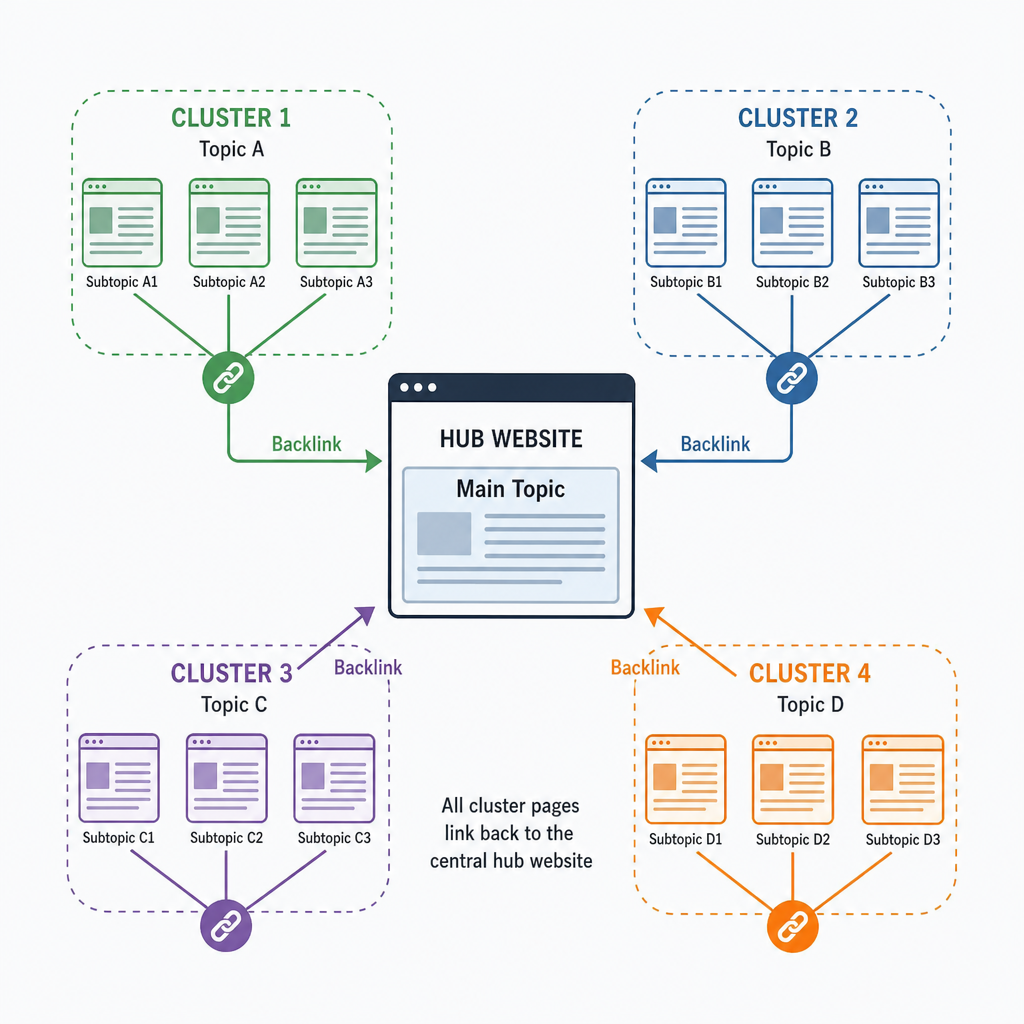
Gone are the days of writing short, repetitive blog posts just to rank. Today, you need a comprehensive content strategy for topical authority. This means creating clusters of content that thoroughly cover a specific subject area. For example, instead of writing one vague blog post about “marketing,” write in-depth, interlinked guides on “email marketing for beginners,” “social media calendars,” and “B2B lead generation.” By covering a topic from every conceivable angle, you prove to search engines that your website is the ultimate authoritative resource in your niche.
Earn Trust Through Links
Never underestimate the role of backlinks in website credibility. A backlink is a link from another website pointing back to yours. Think of it as a digital vote of confidence. When highly respected, high-traffic websites link to your content, search engines view your site as trustworthy. You can earn these valuable links by guest blogging, creating highly shareable infographics, or producing original industry research that others naturally want to cite.
Tracking, Tweaking, and Troubleshooting Your Strategy
Optimization is not a “set it and forget it” endeavor. The digital landscape changes rapidly, competitors update their sites, and your strategy must adapt accordingly.
Start by optimizing website for Google Search Console. This free diagnostic tool from Google is a goldmine of data. It tells you exactly which keywords are driving users to your site, how your individual pages are performing in search results, and if there are any technical errors preventing Google from crawling your site properly.
Measuring search engine optimization success involves tracking key metrics like organic traffic growth, keyword ranking improvements, and most importantly, conversion rates from organic visitors. It’s not just about getting more eyeballs on your site; it’s about getting the right eyeballs that eventually turn into paying customers.
If you ever notice a sudden drop in visitors, don’t panic. Fixing low organic traffic issues usually involves running a site audit. Check for broken links, update outdated blog posts with fresh information, ensure your site speed hasn’t degraded due to large image files, and check industry news for recent Google algorithm updates. Regular maintenance keeps your site healthy and your rankings stable.
Hiring an SEO Agency vs DIY: Which is Right for You?
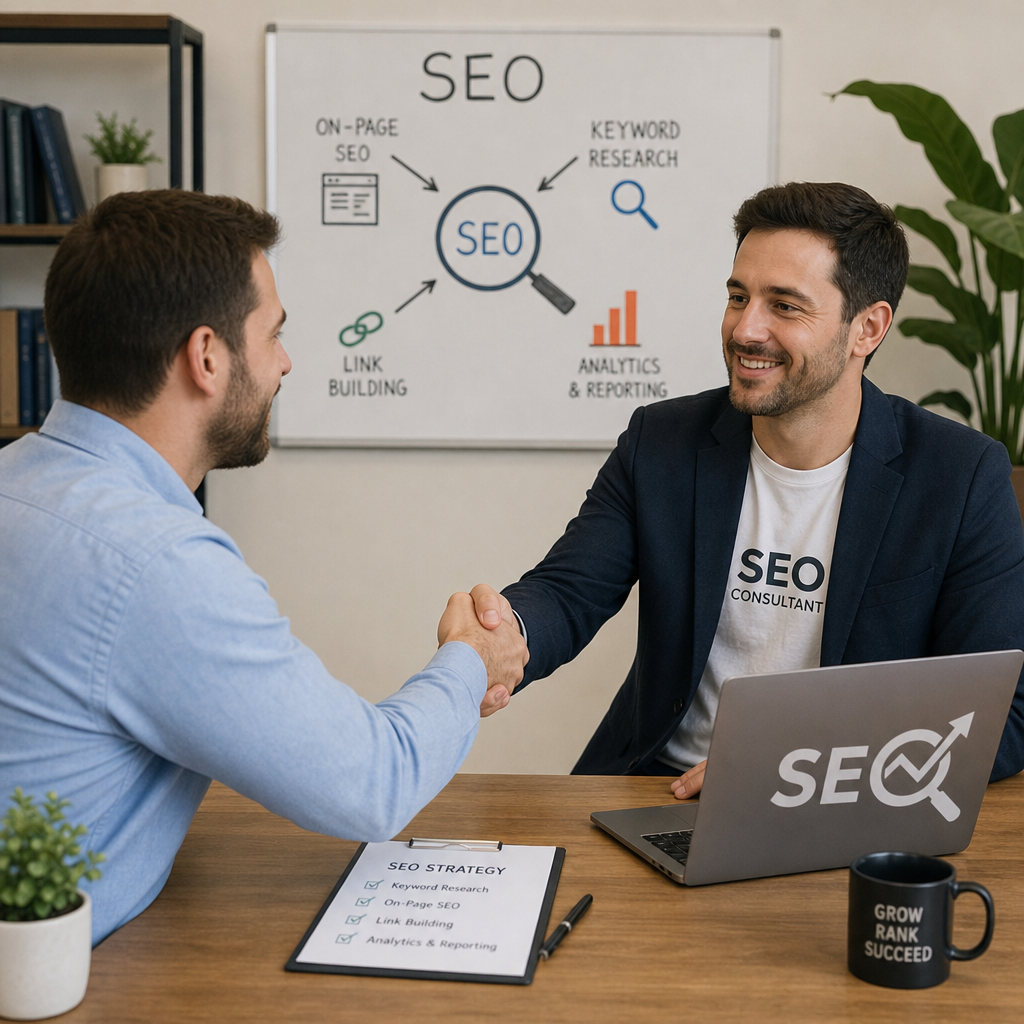
As you dig deeper into organic growth strategies, you will inevitably face a choice: hiring an SEO agency vs DIY.
The DIY Route:
- Pros: Highly cost-effective, gives you total granular control over your brand, and helps you learn valuable marketing skills.
- Cons: Incredibly time-consuming, requires a steep learning curve, and making technical mistakes can result in search engine penalties.
Hiring an Agency:
- Pros: Gives you instant access to a team of seasoned experts, frees up your time to focus on running your business, and generally yields much faster, more professional results.
- Cons: Requires a dedicated monthly marketing budget.
If you have more time than money, start with a DIY approach to learn the basics of keyword research and content creation. However, as your business scales and your budget allows, outsourcing to experts is usually the best way to take your organic growth to the next level.
The Final Takeaway
Let’s return to our original question: do you need SEO for your website? Without a shadow of a doubt.
Your website is the digital face of your brand, and search optimization is the vital engine that drives people to actually see it. From securing high-converting traffic and outperforming local competitors, to ensuring an exceptional user experience, the benefits are woven into every aspect of a successful modern business.
Don’t let your beautiful website collect digital dust. Invest in a solid search strategy today, and watch as your online presence grows from a hidden secret into a thriving, highly profitable hub.
For the complete process, read our complete guide for SEO for Small Businesses.