


Mastering Manual SEO Techniques for Success
In today’s fast-paced digital landscape, the allure of automated tools and AI-driven software is undeniable. With just a click, you can generate hundreds of keywords, run site audits, and even draft entire articles. However, if you rely solely on machines to dictate your strategy, you are missing out on the nuanced, human elements that truly drive organic growth.
Table of Contents
This is where manual SEO comes into play. By rolling up your sleeves and interacting with your website the way a real user does, you gain insights that algorithms simply cannot replicate. In this comprehensive seo guide, we will explore why a hands-on approach remains a cornerstone of digital marketing, and how you can implement these SEO Strategies to dominate the search results.

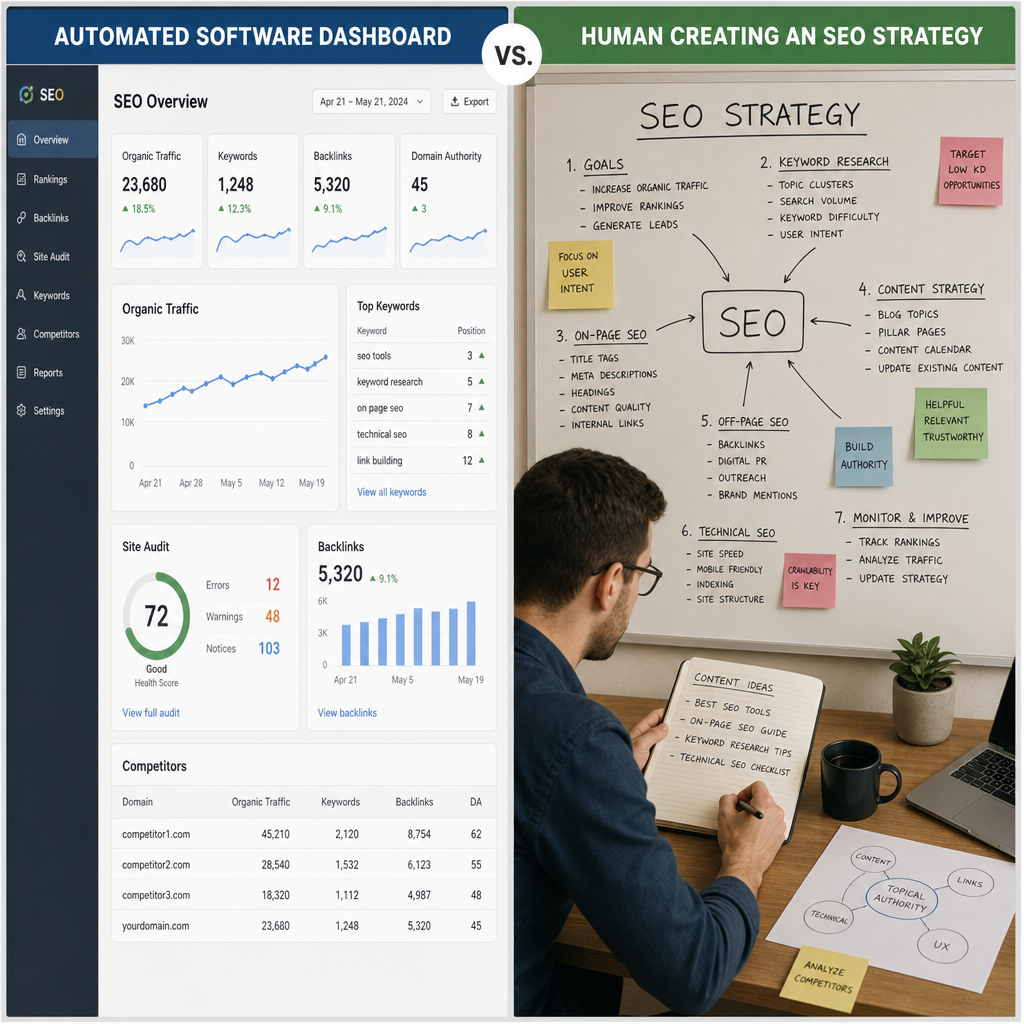
Automated vs Human Search Optimization: Finding the Balance
The debate between automated vs human search optimization is ongoing. Automation is fantastic for scraping large volumes of data, monitoring rankings, and identifying basic crawl errors. However, tools lack empathy. They cannot understand the emotional resonance of a landing page, nor can they accurately judge the true intent behind a complex user query.
So, why choose human driven optimization? Because Google’s algorithms are increasingly designed to reward content that is helpful, reliable, and created for people. A human optimizer can intuitively grasp whether an article actually answers a searcher’s question or just superficially hits keyword quotas. By combining the data-gathering power of software with the critical thinking of manual SEO, you create a holistic strategy that satisfies both search engine spiders and human readers.
SEO Basics: Laying a Strong Foundation
Before diving into advanced tactics, it is crucial to understand the seo basics. If you are just starting out, you might be overwhelmed by the sheer volume of information available. The truth is, mastering the fundamentals often leads to what many refer to as “easy seo”—where small, calculated tweaks yield massive improvements in visibility.
Here are a few essential seo tips for beginners:
- Understand your audience: Know what your target demographic is searching for and why.
- Follow the rules: Adhere to established seo guidelines provided by search engines like Google to avoid penalties.
- Focus on user experience (UX): Ensure your site is fast, easy to navigate, and mobile-friendly.
By mastering these fundamentals, you set the stage for more advanced, hands-on website optimization strategies that will separate your site from the competition.
Hands-On Website Optimization Strategies
Relying entirely on third-party crawlers can sometimes blind you to obvious user-facing issues. Getting your hands dirty with manual checks is highly recommended.
How to Audit a Site Without Tools
You might wonder how to audit a site without tools. It is surprisingly effective and relies entirely on your own browsing experience. Start by opening your website in an incognito window to prevent your cache and cookies from skewing the results.
Navigate through your site exactly as a potential customer would:
- Check the main navigation: Is the menu intuitive? Can you reach the most important pages in three clicks or fewer?
- Evaluate readability: Are your fonts legible? Is there enough contrast between the text and background?
- Test functionality manually: Click on buttons, fill out contact forms, and navigate through the checkout process.
- Use search operators: Type site:yourwebsite.com into Google. This shows you exactly which pages Google has indexed, helping you spot bloated, duplicate, or missing pages instantly.
Fixing Technical Ranking Issues Manually
While software is great for flagging errors en masse, fixing technical ranking issues manually ensures precision. For example, if a tool flags a “Cumulative Layout Shift” (CLS) issue, the best way to fix it is to manually load the page on your smartphone and observe which elements (like images or ads) are pushing the text down as the page loads.
Similarly, if you notice a drop in rankings, manually inspect your page’s source code. Ensure your canonical tags are pointing to the correct URLs and verify that your meta robots tags aren’t accidentally set to noindex. Taking the time to manually verify these technical elements prevents catastrophic errors that automated sweeps might misinterpret.
Step by Step Search Engine Ranking Guide
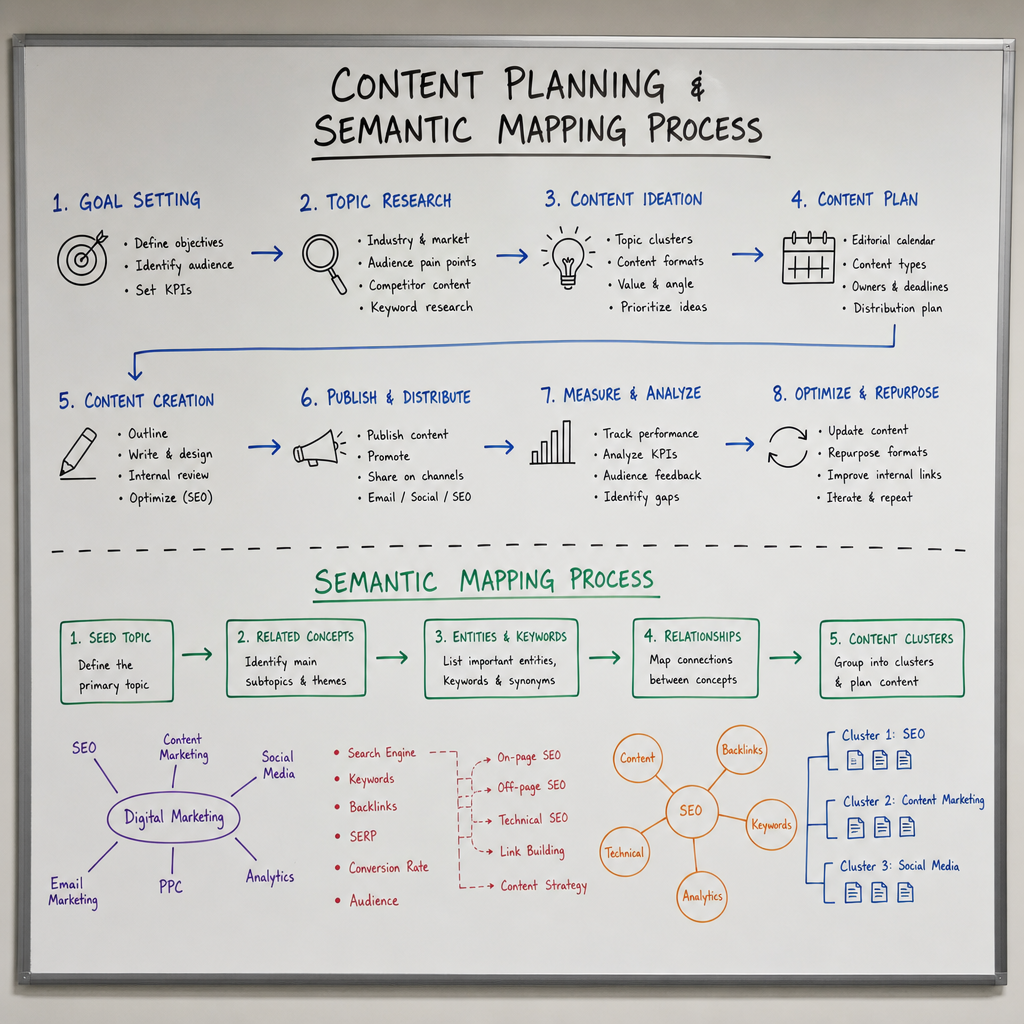
To truly excel, you need a structured approach to content. Consider this your step by step search engine ranking guide for creating pages that search engines and users love.
Precision Keyword Targeting and Intent Alignment
Gone are the days of stuffing keywords into a page and hoping for the best. Today, precision keyword targeting for niche sites requires a deep understanding of user psychology. You must figure out exactly what the user wants to accomplish.
This requires a rigorous search intent alignment process. If a user searches for “best running shoes for flat feet,” are they looking to buy immediately (transactional intent), or do they want a comprehensive review of the top 10 options (informational intent)? Manually analyzing the top-ranking pages for your target keyword will tell you exactly what format, tone, and information Google believes best satisfies the user.
Semantic Content Structure Mapping
Once you know your target keywords and the user’s intent, it is time for semantic content structure mapping. This involves logically organizing your page using headings (H1, H2, H3) that make it easy for both readers and search engines to understand the hierarchy of information.
- H1: The main topic (only one per page).
- H2s: The primary subtopics or categories.
- H3s: Supporting details or specific questions related to the H2s.
A manual approach to structuring ensures that your headings tell a coherent story, rather than just serving as vessels for keywords.
Conducting a Deep Dive Content Audit
Content decay is a real threat to your organic traffic. Conducting a deep dive content audit manually involves reading through your older posts to see if the information is still accurate, relevant, and engaging.
Ask yourself: Are there broken outgoing links? Are the statistics outdated? Can I add a new, helpful infographic? Improving organic traffic through content quality is often much easier and more cost-effective than constantly churning out net-new articles. Updating a declining piece of content with fresh insights is a manual SEO tactic that almost guarantees a ranking boost.
Mastering Link Building and Site Architecture
The way your pages connect to one another, and the way the wider internet connects to your site, dictates your authority in the eyes of search engines.
Internal Linking Architecture Best Practices
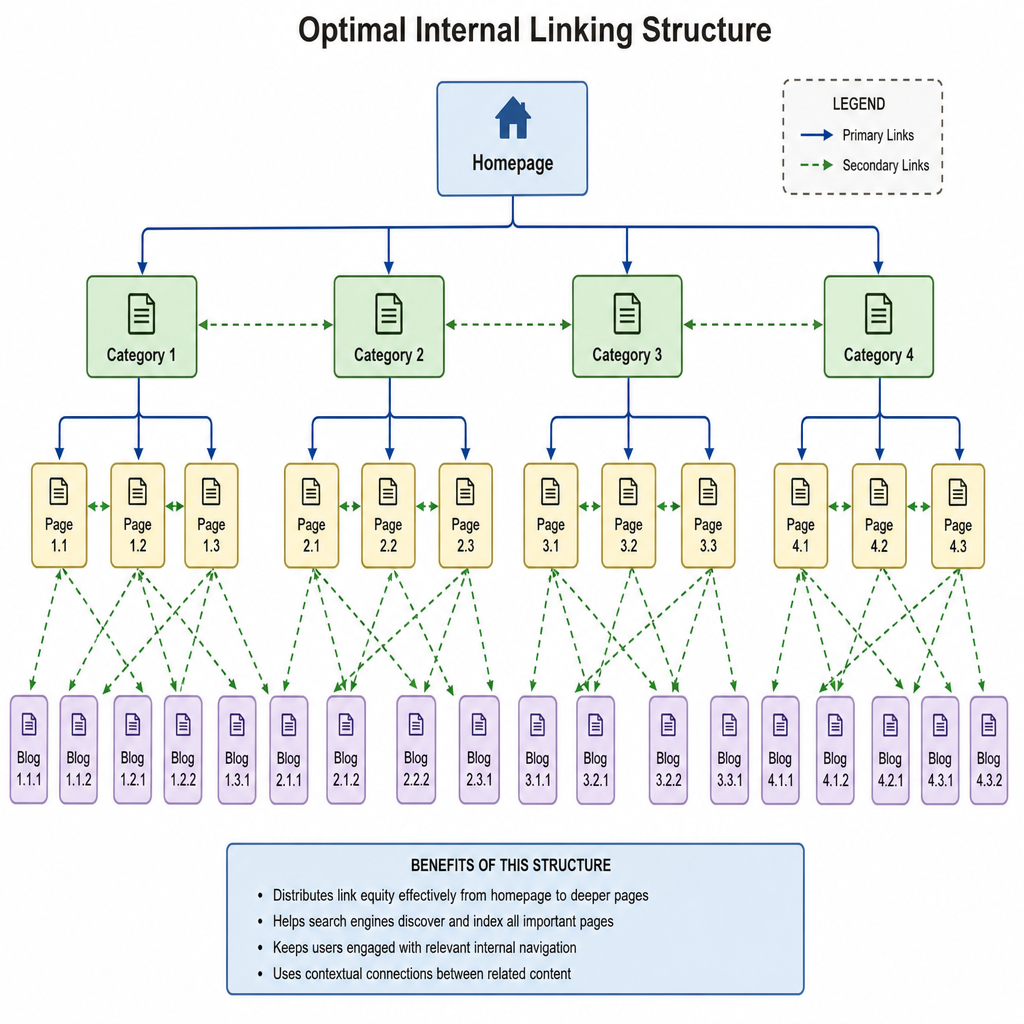
Your site’s internal links act as pathways for search engine crawlers, distributing link equity (ranking power) throughout your domain. Applying internal linking architecture best practices manually requires strategic thinking.
Instead of using automated plugins that inject links based on exact-match keywords (which often look spammy and unnatural), manually insert contextual links. If you are writing a new blog post about “SEO basics,” manually link it back to your comprehensive, cornerstone “SEO guide.” Use descriptive, natural-sounding anchor text that provides clear context to the user about where the link will take them.
Building High Quality Editorial Backlinks
When it comes to off-page optimization, automation is heavily frowned upon by Google. Automated link-building tools usually result in spammy, low-quality links that can trigger severe penalties.
Instead, focus your efforts on building high quality editorial backlinks. This requires a distinctly human touch. It involves networking, reaching out to industry peers, guest posting on reputable sites, and creating link-able assets (like original research or deep-dive case studies) that people naturally want to reference. Manual outreach allows you to build genuine relationships with webmasters, resulting in powerful backlinks that competitors cannot easily replicate.
Embracing Long Term Authority Building Techniques
Ultimately, SEO is not a sprint; it is a marathon. To insulate your website against future algorithm updates, you must focus on long term authority building techniques.
A critical component of this is optimizing for E-E-A-T signals for ranking (Experience, Expertise, Authoritativeness, and Trustworthiness). Automation cannot generate genuine human experience. To demonstrate E-E-A-T manually:
- Add clear author bylines and comprehensive author biographies.
- Showcase real-world, firsthand experience in your product reviews or service pages.
- Cite credible, authoritative sources.
- Ensure your site has easily accessible contact information, clear privacy policies, and terms of service.
To stay sharp, make a habit of continually educating yourself. Bookmark reputable seo resources, read industry blogs, and test new theories on your own sites. The landscape will shift, but a critical, hands-on understanding of how the web works will never become obsolete.
Conclusion
While AI and automation offer incredible speed and efficiency, the strategic advantage lies in mastering manual SEO. By taking the time to conduct thoughtful audits, map out semantic content structures, and build genuine editorial links, you create an optimized website that resonates deeply with real human beings. Blend the efficiency of modern tools with the irreplaceable intuition of human-driven optimization, and you will build a resilient, high-traffic website primed for long-term success.
For the complete process, read our complete guide to Top 10 SEO tricks.