


Strategies to Achieve Higher Google Rankings
Every website owner, marketer, and blogger has stared at their analytics dashboard at least once and asked the exact same frustrating question: “Why is my website not ranking?” You have invested time into building a beautiful website, crafting well-written blog posts, and detailing your products, only to find your pages buried on page five or six of the search engine results pages (SERPs).
If you are tired of being invisible to your target audience, you need a targeted, up-to-date seo strateg to achieve a higher google ranking. While it can be tempting to simply throw money at the problem, understanding the dynamics of organic vs paid search results is crucial. Paid search yields immediate visibility but disappears the second your budget dries up. In contrast, investing in organic optimization provides a compounding return on investment. Organic results earn significantly more clicks and generate a deeper level of trust with consumers.
Table of Contents
This comprehensive guide will break down exactly how to rank on google by focusing on the latest algorithms, user experience, and high-quality content strategies. Let’s dive into the blueprint for dominating the SERPs.
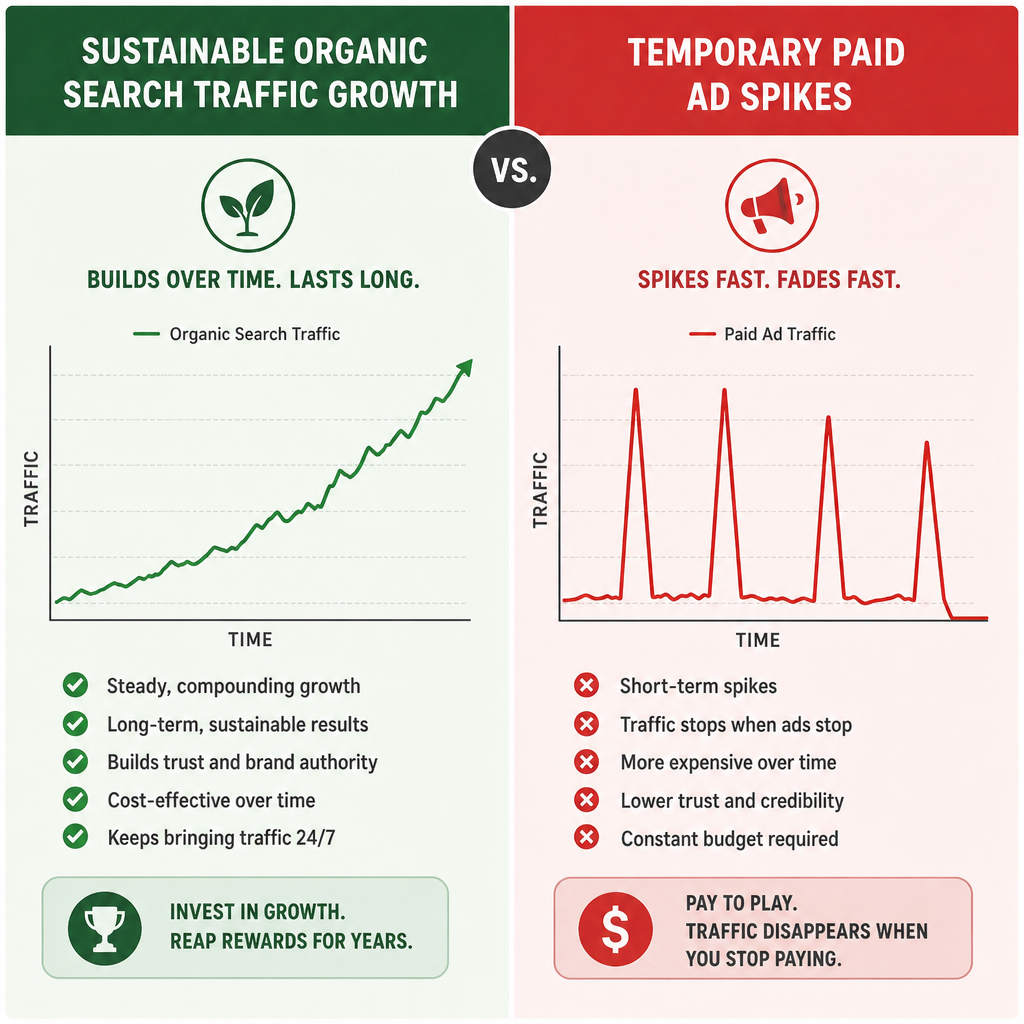
The Evolution of Organic Search SEO
Before implementing tactics, it is essential to understand what search engines are actually trying to achieve. Google’s primary goal is to deliver the most relevant, accurate, and user-friendly answer to a searcher’s query. Therefore, successful organic search seo is no longer about tricking the algorithm with keyword stuffing or hidden text; it is about building the best possible resource on the internet for your specific topic.
When you align your website’s goals with Google’s goals, you naturally begin to claim that higher google position. To improve organic search visibility today, you must master three main pillars: Content (relevance and authority), On-Page (structure and context), and Technical SEO (accessibility and performance).
1. Content is King: Search Intent, Semantic Search, and Trust
If you want to rank higher than your competitors, your content must go above and beyond the basics. Search engines have evolved from matching exact words to understanding the deeper meaning behind a search.
Mastering Search Intent
Content optimization for search intent is the single most important factor in modern SEO. If you don’t give the user what they are looking for, Google will not rank your page. Search intent generally falls into four categories:
- Informational: The user wants to learn something (e.g., “how to bake sourdough bread”).
- Navigational: The user is looking for a specific website (e.g., “Facebook login”).
- Transactional: The user is ready to buy (e.g., “buy cast iron skillet”).
- Commercial Investigation: The user is comparing options before buying (e.g., “best laptops for video editing 2024”).
Always analyze the top-ranking pages for your target keyword to determine the intent. If the top ten results are listicles, do not try to rank a product page.
Semantic Search and Entities
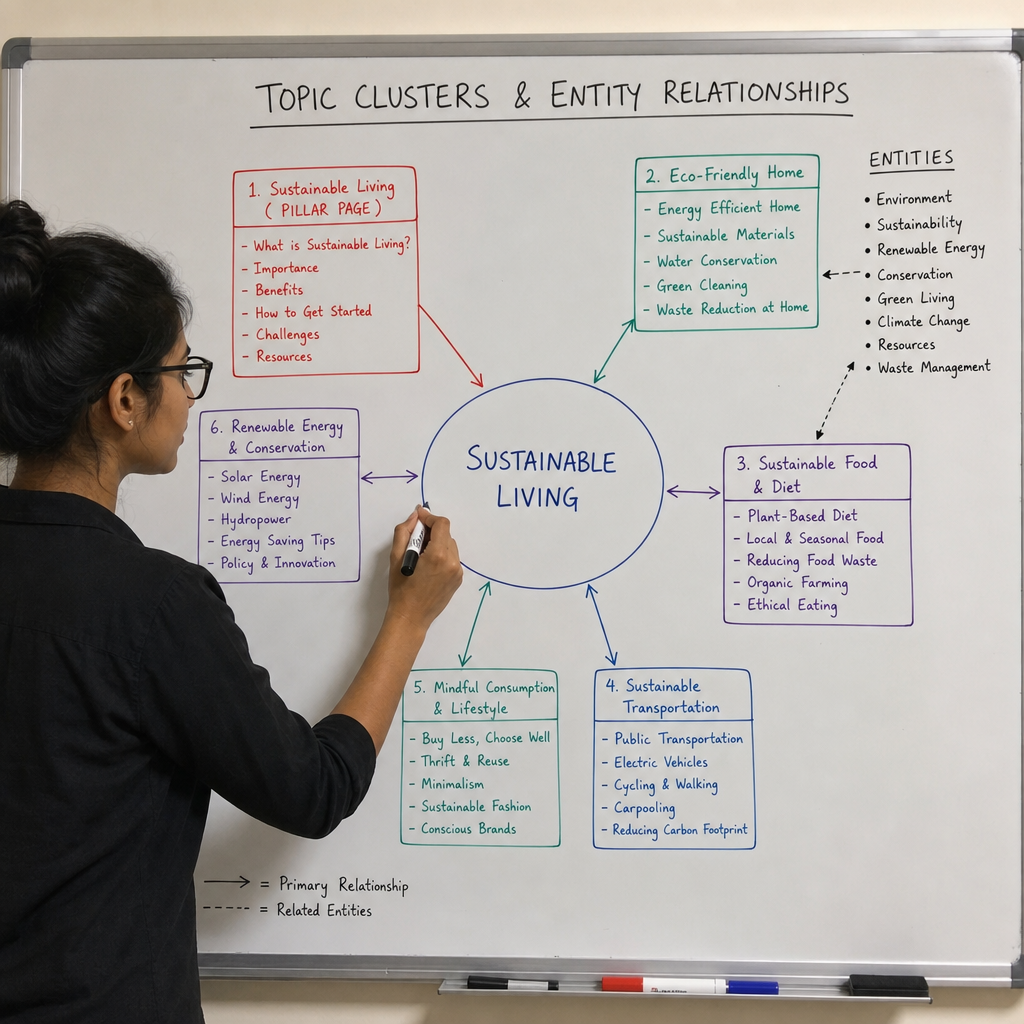
Modern algorithms rely heavily on semantic search and entity relationships. Google no longer just reads strings of letters; it understands “entities” (people, places, concepts) and how they connect. For example, if you write an article about “Apple,” semantic search helps Google determine if you mean the fruit or the tech company based on related terms like “orchard,” “pie,” or “iPhone,” “Tim Cook.” To leverage this, cover your topics comprehensively and use related terminology naturally.
Establishing Authority with EEAT
Google wants to serve information that is safe and reliable, which is why creating content with EEAT signals (Experience, Expertise, Authoritativeness, and Trustworthiness) is non-negotiable.
- Experience: Demonstrate firsthand experience with the topic. Use original photos and personal anecdotes.
- Expertise: Highlight the author’s credentials. Include detailed author bios linking to their LinkedIn or professional portfolio.
- Authoritativeness: Get cited by other experts in your field.
- Trustworthiness: Ensure your site is secure (HTTPS), clearly state your privacy policies, and fact-check all claims.
Strategic Keyword Targeting
Instead of chasing highly competitive, broad terms, consult a long-tail keyword research guide. Long-tail keywords (e.g., “best running shoes for flat feet” instead of just “running shoes”) have lower search volumes but significantly higher conversion rates because the user’s intent is highly specific. Targeting these phrases is the smartest way for newer websites to gain traction.
2. Nailing the On-Page SEO Basics
Once your content is top-tier, you need to format it in a way that search engines can easily digest. If you are new to this, following an on-page SEO checklist for beginners will ensure you don’t miss any critical steps.
Optimizing Metadata for Clicks
Ranking on the first page is only half the battle; you also need users to actually click on your link. This is where meta tag optimization for click-through rate comes into play.
- Title Tags: Keep them under 60 characters. Include your primary keyword near the beginning, but make it enticing. Use power words like “Proven,” “Guide,” or “Checklist.”
- Meta Descriptions: Keep them under 160 characters. While not a direct ranking factor, a compelling meta description acts as an organic advertisement, boosting your click-through rate (CTR). A higher CTR sends a strong positive signal to search engines.
Structuring with Headers and Links
Use a logical header hierarchy (H1, H2, H3) to break up your text. Your H1 should contain your main keyword, while H2s and H3s can include secondary and long-tail variations.
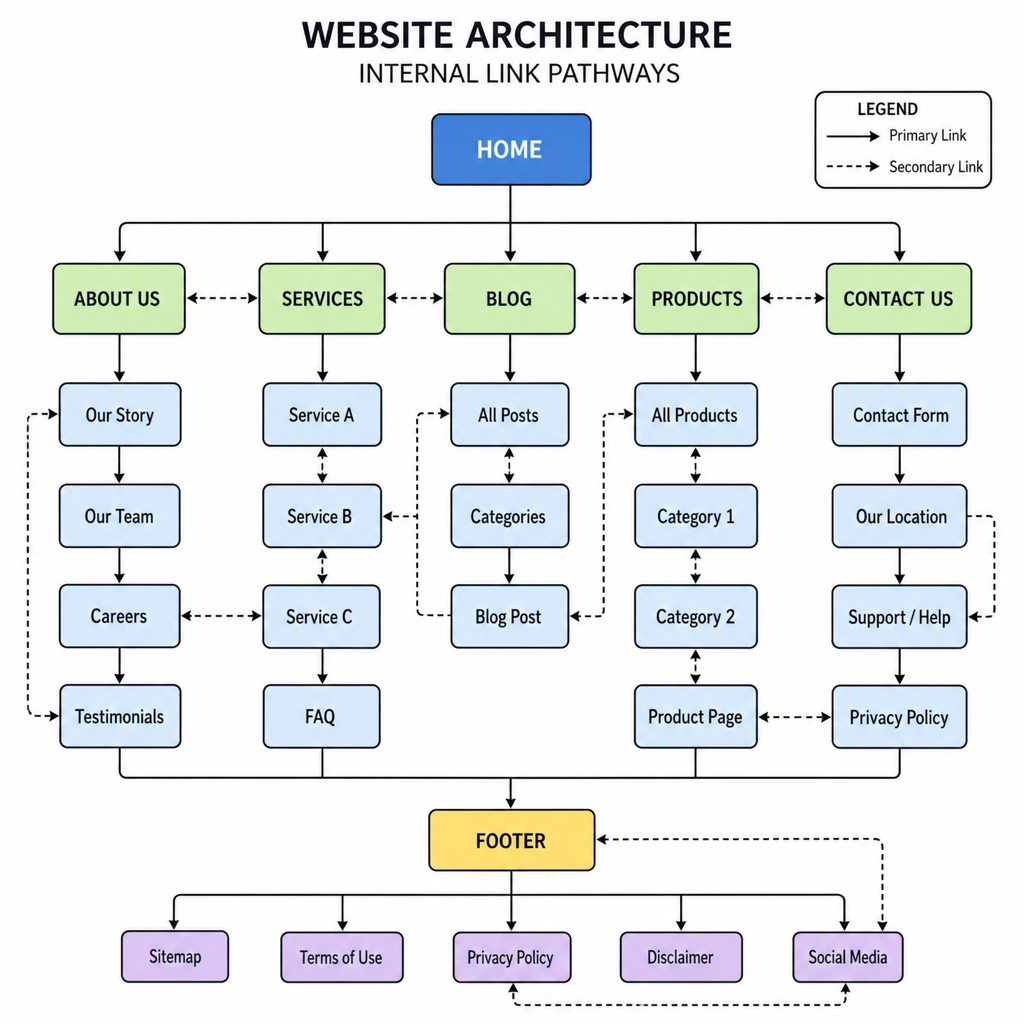
Furthermore, implementing effective internal linking strategies is vital for both user experience and SEO. Internal links act as pathways for search engine crawlers, helping them discover new pages. More importantly, linking from high-authority pages on your site to newer pages passes “link equity,” boosting your overall organic search engine ranking. Create “topic clusters” where a main pillar page links out to several related, in-depth sub-topic pages, and vice versa.
3. The Technical SEO Foundation
You can write the most brilliant, intent-matched article in the world, but if search engines cannot crawl or render your page, it will not appear in search results. Technical SEO ensures your website’s infrastructure is flawless.
Resolving Crawlability Issues
The first step in technical maintenance is fixing technical crawl errors. Use tools like Screaming Frog or Ahrefs to run regular site audits. Look for:
- 404 Errors: Broken links frustrate users and waste “crawl budget.” Redirect dead pages to relevant live ones.
- Orphan Pages: Pages with no internal links pointing to them are nearly invisible to search engines.
- Indexation Blocks: Ensure you haven’t accidentally left a noindex tag on a page you want to rank, or blocked important scripts in your robots.txt file.
Enhancing User Experience Metrics
Google directly factors user experience into its algorithms. Therefore, optimizing for core web vitals is a mandatory technical task. Core Web Vitals are specific metrics that measure speed, interactivity, and visual stability:
- Largest Contentful Paint (LCP): Measures loading performance. Aim for an LCP of 2.5 seconds or faster. Compress images, utilize browser caching, and use a Content Delivery Network (CDN).
- Interaction to Next Paint (INP): Measures website responsiveness. Minimize heavy JavaScript to ensure buttons and links react instantly when clicked.
- Cumulative Layout Shift (CLS): Measures visual stability. Ensure ads and images have defined dimensions so the page doesn’t abruptly jump around while a user is reading.
Adapting to Mobile Browsing
Because the vast majority of global internet traffic comes from mobile devices, Google uses mobile-first indexing. This means Google primarily evaluates the mobile version of your website for ranking purposes. Adhering to mobile-first indexing best practices means ensuring your responsive design is flawless. Text must be easily readable without pinching or zooming, touch targets (like buttons) must be spaced far enough apart, and mobile page speed must be blazing fast.
Leveraging Google’s Own Data
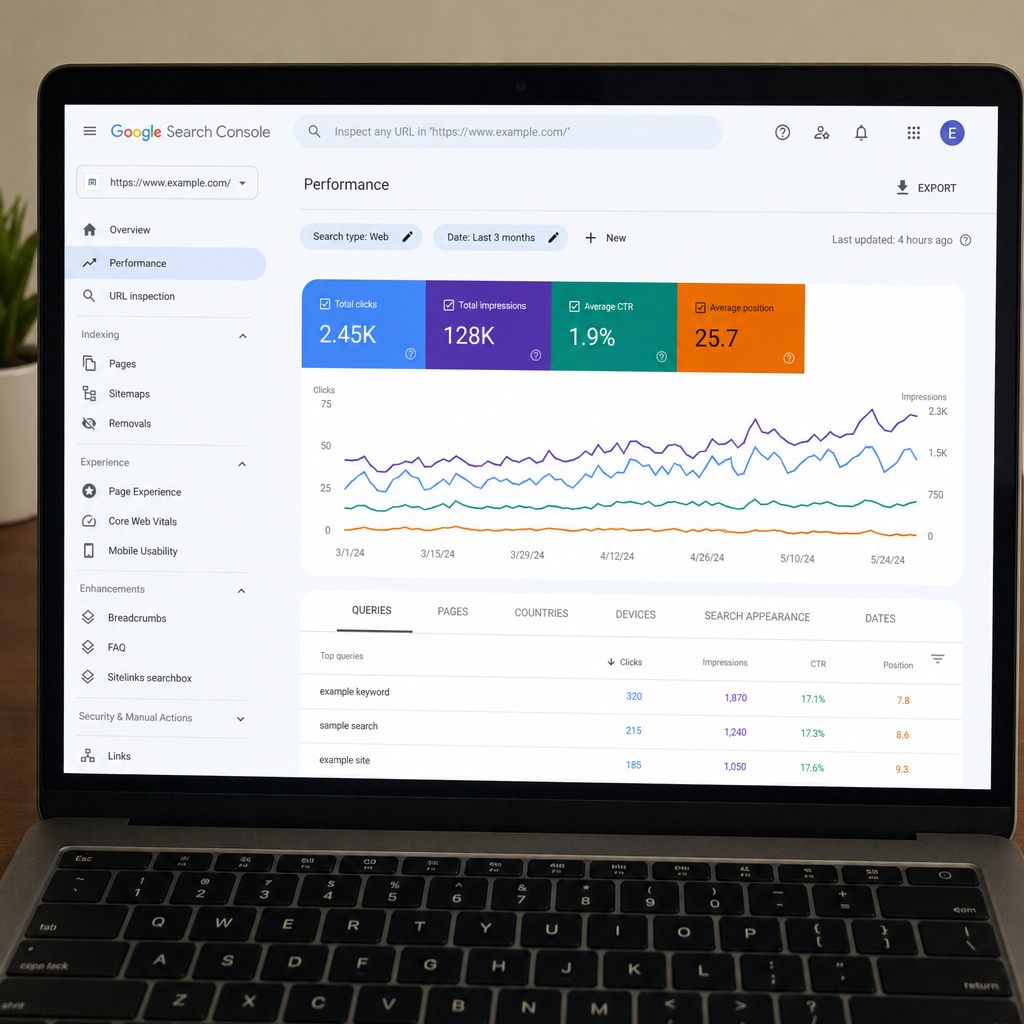
One of the most powerful ways to learn how to rank higher on google is to study the data Google gives you for free. Make it a habit to regularly review your google search console performance data. Look for “low-hanging fruit”—pages ranking in positions 11 through 15. These pages are just off page one. By analyzing the queries driving impressions to these pages, you can slightly tweak your headers, add a few internal links, or expand the content to push them onto the first page.
4. Establishing Off-Page Authority
Search engines view links from other reputable websites as votes of confidence. If highly trusted websites are linking to you, Google assumes your content is also trustworthy and valuable.
Building high-quality backlink profile remains one of the most challenging but rewarding aspects of SEO. However, the days of buying thousands of spammy directory links are over; doing so will result in severe penalties. Today, off-page SEO is essentially digital public relations.
Focus on acquiring links from authoritative, relevant domains within your industry. Effective strategies include:
- Guest Podcasting or Blogging: Share your expertise on established industry platforms in exchange for a link back to your site.
- Original Research: Publish surveys, data studies, or unique industry statistics. Journalists and bloggers love linking to original data.
- Unlinked Brand Mentions: Use tools to monitor when people mention your brand online without linking to you, and politely reach out to request a hyperlink.
- The Skyscraper Technique: Find popular content in your niche that has earned a lot of links. Create something significantly better, more up-to-date, and more comprehensive, then reach out to the sites linking to the inferior piece and suggest they link to your superior resource instead.
Conclusion: The Long-Term SEO Mindset
Achieving sustainable visibility in search engines is not a one-time project; it is an ongoing process of optimization, monitoring, and adapting. By understanding search intent, proving your expertise, perfecting your on-page structure, ensuring technical excellence, and building authoritative off-page signals, you create a robust ecosystem that search engines love to reward.
Stop wondering why your site is invisible and start taking actionable steps today. Implement the strategies outlined above, stay patient, and watch as your site climbs the rankings, turning organic search into your most powerful engine for growth.
For the complete process, read our complete guide to Top 10 SEO tricks.