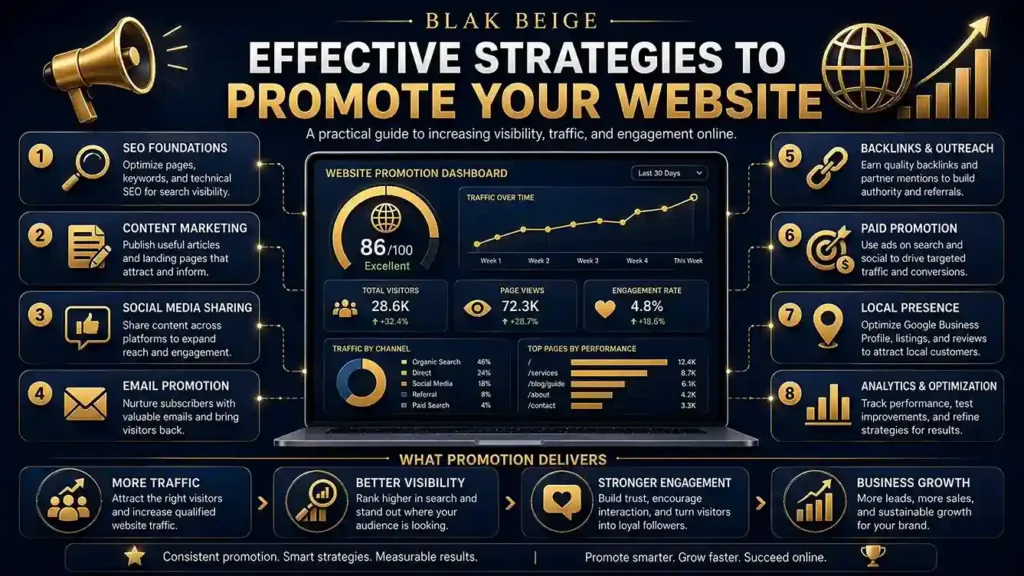


You’ve spent weeks, maybe even months, designing the perfect website. The layout is flawless, the copy is crisp, and the user experience is incredibly seamless. But after hitting “publish,” you are met with deafening silence. The internet is a crowded space, and simply building a beautiful digital storefront isn’t enough to magically attract visitors. So, the ultimate question remains: how do you promote a website effectively in today’s highly competitive digital landscape? Businesses can significantly boost their search engine visibility by maximizing SEO through social media strategies that drive organic traffic and engagement.
Whether you are an ambitious e-commerce brand, a freelance creative, or a passionate blogger, mastering proven online marketing strategies is crucial to your long-term success. If you’ve found yourself searching the web, asking, “exactly how to promote my site without burning through my entire budget?” you are in the right place.
Table of Contents
In this comprehensive guide, we are going to dive deep into a diverse mix of paid, organic, and relationship-based tactics. By the end of this article, you will have a clear, actionable blueprint on how to publicise your website and turn it into a high-traffic, lead-generating hub.
Foundation First: Mastering Search Engine Optimization (SEO)

When someone asks for the most sustainable way to drive traffic, the answer always begins with SEO. Search Engine Optimization is the continuous process of fine-tuning your website so that Google and other search engines can easily understand, categorize, and rank your content. Developing robust organic search traffic strategies ensures that people who are actively looking for your products or services can find you naturally, without you having to pay for every single click.
Optimize the On-Page and Technical Elements
To capture search traffic, you need to ensure your website speaks the language of search engines.
- Keyword Integration: Place your target keywords naturally within your page titles, meta descriptions, H1/H2 headers, and throughout the body text.
- Site Speed: A slow website kills traffic. Compress your images, use a reliable hosting provider, and utilize caching plugins to ensure your site loads in under three seconds.
- Mobile Responsiveness: With the majority of global web traffic coming from mobile devices, your site must look and function perfectly on smartphones.
Leverage Google’s Free Tools
One of the most critical steps in your SEO journey is Google Search Console optimization. This free tool provided by Google is an absolute goldmine for website owners. By submitting your XML sitemap and monitoring the platform for crawl errors, you can ensure Google is actually indexing your pages. Furthermore, the performance reports allow you to see exactly which search queries are currently driving traffic to your site, giving you a roadmap for improving search engine rankings by tweaking your underperforming pages.
Don’t Forget the Power of Local
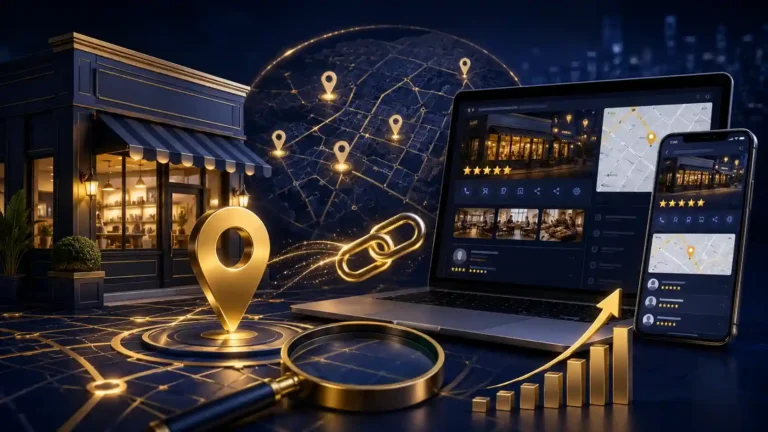
For brick-and-mortar stores, restaurants, or service providers operating in specific geographic areas, local SEO for small businesses is strictly non-negotiable.
- Claim and verify your Google Business Profile.
- Ensure your Name, Address, and Phone number (NAP) are exactly the same across all online directories (Yelp, YellowPages, TripAdvisor).
- Actively encourage satisfied customers to leave positive reviews, as this heavily influences local search algorithms.
Content is King: Creation and Strategic Distribution
Content is the engine that drives internet traffic. Providing massive value through blog posts, engaging videos, podcasts, and infographics gives people a genuine reason to visit your site in the first place.
Generating fresh content marketing ideas requires a deep understanding of your audience’s daily pain points. What questions are they typing into Google? What problems are they desperately trying to solve? Create comprehensive how-to guides, industry analyses, and actionable listicles that directly address these needs.
However, content creation is only half the battle. You must leverage various content marketing distribution channels to get eyes on your hard work.
- Syndicate your blog posts to publishing platforms like Medium or LinkedIn Articles.
- Share your insights in specialized Reddit communities or Quora threads (providing value first, without spamming).
- Repurpose written content into engaging short-form videos for TikTok, Instagram Reels, and YouTube Shorts.
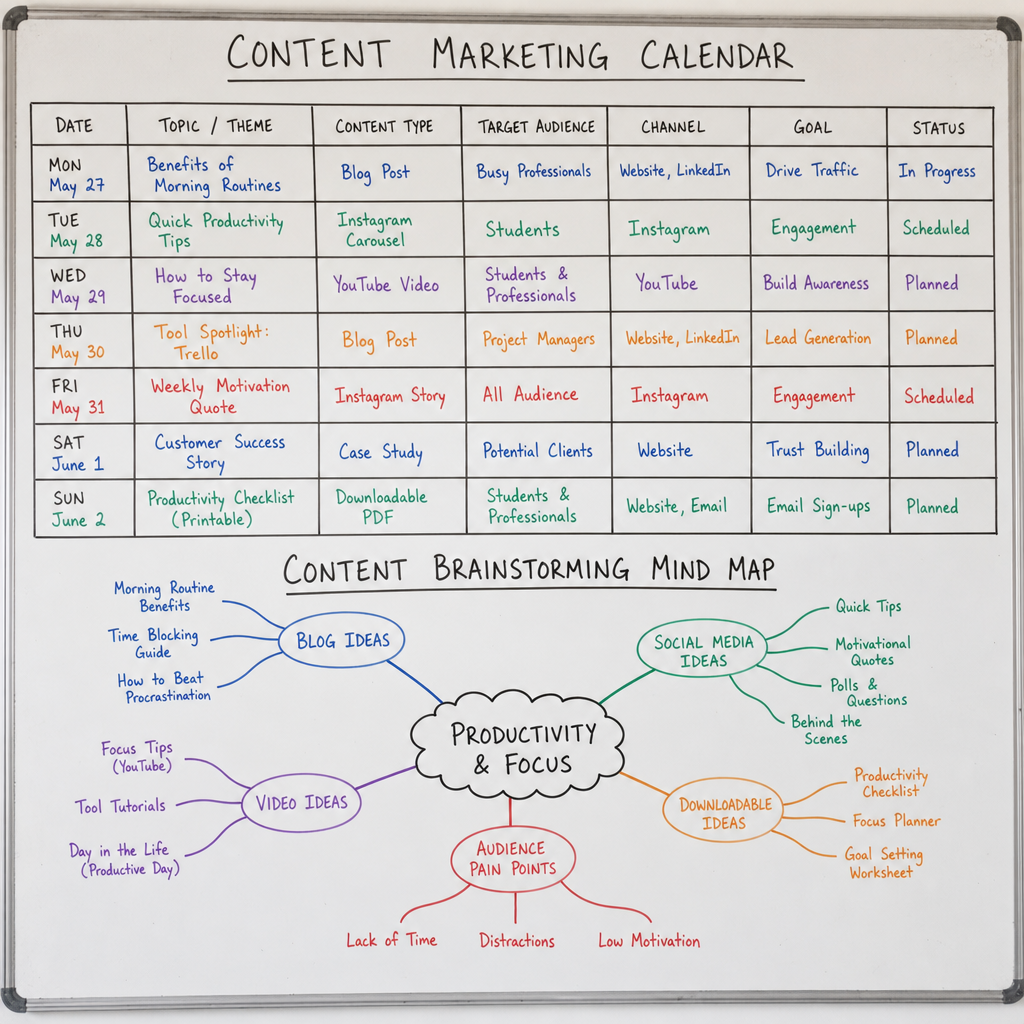
Another highly effective content strategy involves tapping into other people’s established audiences. If you want a proven guest blogging outreach guide, start by identifying non-competing websites within your specific niche. Send a personalized pitch to the editor with two or three unique article ideas that would directly benefit their readers. In exchange for providing them with free, high-quality content, you will typically receive an author bio and a backlink to your site, which drives highly targeted referral traffic.
Harnessing the Power of Social Media
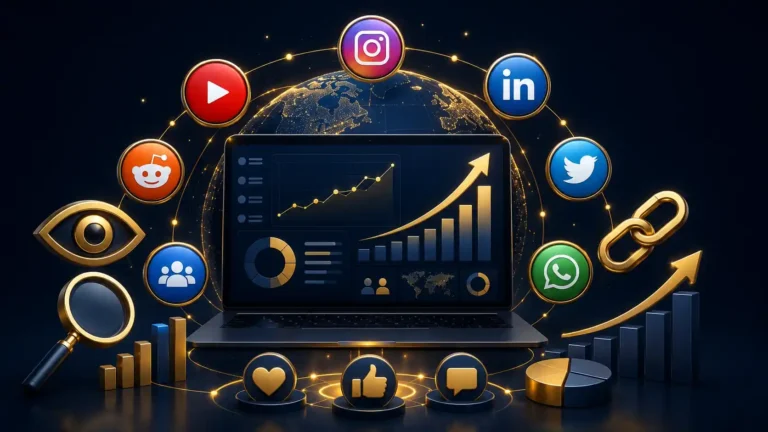
You simply cannot ignore the immense impact of social media marketing when promoting a brand today. Billions of people actively scroll through platforms like Instagram, LinkedIn, Facebook, and X (formerly Twitter) daily.
If you are just diving into social media marketing for beginners, the golden rule is this: do not spread yourself too thin. Instead of trying to master every single platform on the internet, pick the one or two channels where your target demographic spends the majority of their time. For B2B software companies, LinkedIn is the ultimate networking space. For highly visual consumer products like fashion or home decor, Instagram and Pinterest are the clear winners.
- Post Consistently: Use automated scheduling tools like Buffer or Hootsuite to maintain a steady, predictable stream of content.
- Engage Authentically: Don’t just broadcast; converse. Reply to comments, participate in trending industry chats, and build a vibrant community around your brand identity.
To rapidly accelerate your social growth, explore various influencer collaboration strategies. Partnering with micro-influencers—creators with 5,000 to 50,000 highly engaged and loyal followers—can be incredibly cost-effective. Send them a sample of your product or offer a free month of your premium service in exchange for an honest review and a direct link to your website.
Building Digital Authority and Trust
Search engines inherently prioritize websites that they view as authoritative, reliable, and trustworthy in their respective fields. Understanding exactly how to increase domain authority is a critical part of your overarching promotion strategy. While domain authority is technically a third-party metric, it serves as an excellent indicator of how well your site is equipped to rank against competitors on search engine result pages.
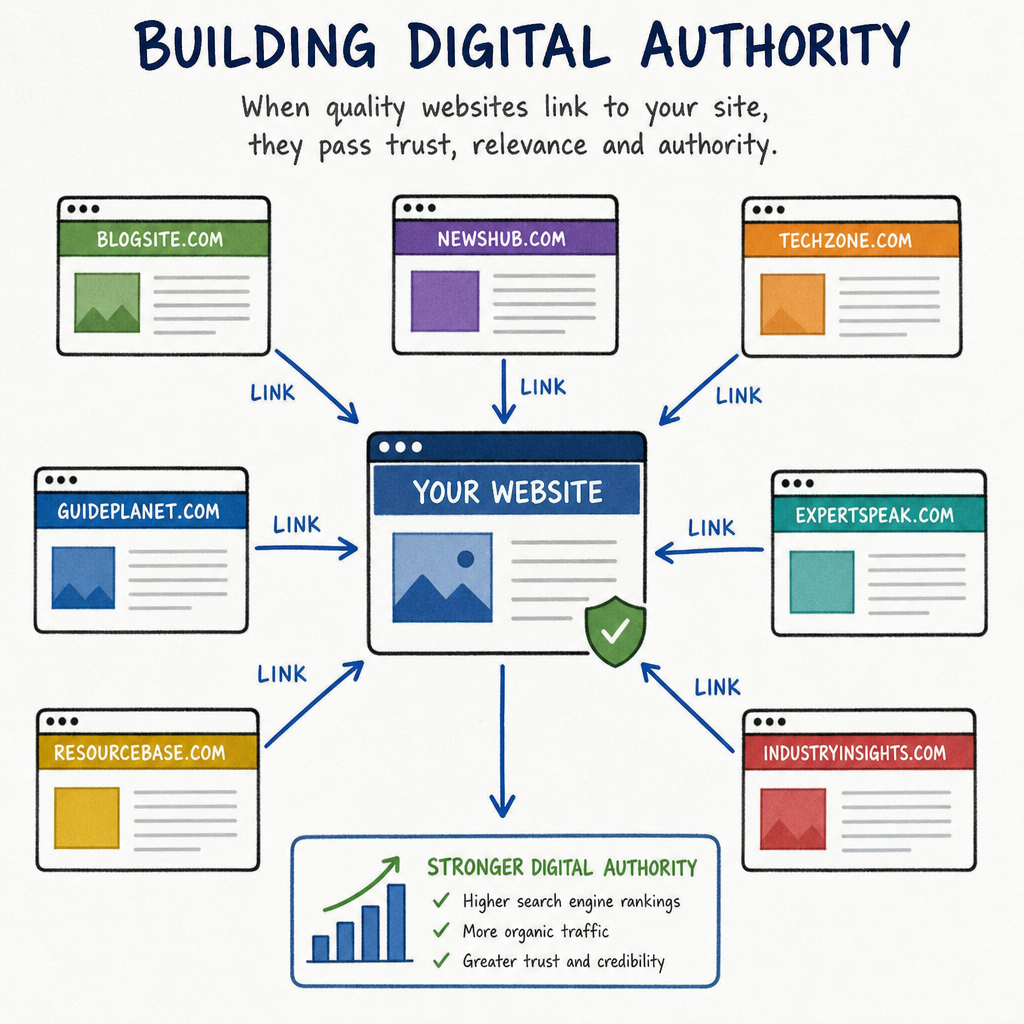
The most effective, universally recognized way to build this digital trust is through high-quality backlink building. When reputable, well-known websites link back to your web pages, search engines interpret this as a powerful vote of confidence.
- Create Linkable Assets: Publish original industry research, in-depth tutorials, or interactive free tools (like calculators). Webmasters naturally link to highly valuable, unique resources.
- Broken Link Building: Find broken links on popular industry blogs using SEO tools. Reach out to the site owner gently pointing out the error, and suggest your working, relevant content as a seamless replacement.
- Digital PR: Utilize platforms like Help A Reporter Out (HARO) or Connectively. By providing expert quotes to journalists who are writing articles for major publications, you can secure powerful backlinks from high-authority news sites.
The Financial Debate: Paid vs. Organic Approaches
When deciding where to allocate your time and financial resources, you will inevitably encounter the great debate of SEO vs PPC for small business. Understanding the pros and cons of both is vital.
- PPC (Pay-Per-Click): Advertising on Google Ads, Facebook Ads, or TikTok Ads provides instant, guaranteed visibility. You pay a fee each time a user clicks your ad, meaning you can drive targeted traffic to your site the very same day your campaign goes live. However, the exact moment your budget runs out and you stop paying, the traffic flatlines completely.
- SEO (Organic): This is a marathon, not a sprint. It is a long-term investment that takes months to show significant results, but the traffic you eventually generate is essentially free, highly sustainable, and compounds over time.
Implementing a hybrid approach is often the smartest of the many digital marketing techniques available. Savvy marketers use PPC campaigns to generate initial sales, gather data, and test which keywords convert best. They then use those proven insights to inform their long-term organic SEO strategy.
If you are starting with absolutely zero budget, don’t panic. The best free website promotion methods rely on your time, networking skills, and creativity rather than your wallet. Active participation in niche Facebook groups, strategic Pinterest pinning, and consistently answering industry questions on Quora cost nothing but sweat equity and can yield massive traffic over time.
Direct Engagement and Troubleshooting
Driving thousands of visitors to your website is entirely useless if they leave immediately and never return. This is why email marketing list growth should be a top priority from day one. Do not just put a boring “Subscribe to my newsletter” box in your footer. Instead, offer a compelling lead magnet—such as an exclusive downloadable eBook, a 15% discount code, or a free 5-day email course—in exchange for a visitor’s email address. Once they are safely on your list, you own that audience. You can nurture that relationship and promote your newest website content directly to their inbox without relying on changing social media algorithms.

If you’ve tried various promotional methods and are still struggling, you need to pivot your focus toward fixing low website traffic. Often, the core issue isn’t the promotion itself, but rather the user experience or content alignment. Is your bounce rate extremely high? Perhaps your site navigation is confusing, your mobile formatting is broken, or your content simply doesn’t match the search intent of your visitors. Use analytics software to pinpoint exactly where users drop off and make targeted, data-driven improvements.
Finally, to answer the recurring question of how do you promote a website efficiently over years rather than just months, you must be rigorous about measuring website marketing ROI (Return on Investment). Use tools like Google Analytics 4 (GA4) to track precisely which promotion channels are leading to actual newsletter sign-ups, product purchases, or client inquiries. If you realize you are spending 20 hours a week on social media but 90% of your actual revenue comes from organic SEO, it is time to ruthlessly reallocate your time and resources to the channels that actually move the needle.
The Takeaway
Promoting a website is not a one-time event; it is an ongoing, multifaceted process. By combining a strong technical SEO foundation with high-value content creation, strategic social media engagement, and relentless backlink building, you can transform your hidden website into a bustling digital destination. Start small, track your data obsessively, and double down on the strategies that resonate most with your unique audience.