

Search engine positioning SEO is vital for online success. It determines how visible your website is to users.
A higher position means more traffic and potential customers. But achieving this requires understanding and applying effective SEO strategies.
Table of Contents
On-page and on-site SEO are key components. They involve optimizing both individual pages and the entire website.
This guide will explore these strategies in detail. You’ll learn how to boost your search position and attract more visitors.
Let’s dive into the world of SEO and unlock your website’s potential.
What is Search Engine Positioning SEO?
Search engine positioning SEO refers to improving a website’s ranking in search results. This is crucial for visibility and attracting relevant traffic.
Search engines like Google use algorithms to rank pages. These algorithms consider numerous factors to decide a page’s position.
The goal is to optimize your website so it matches what search engines look for. This involves strategic use of keywords, quality content, and user-friendly design.
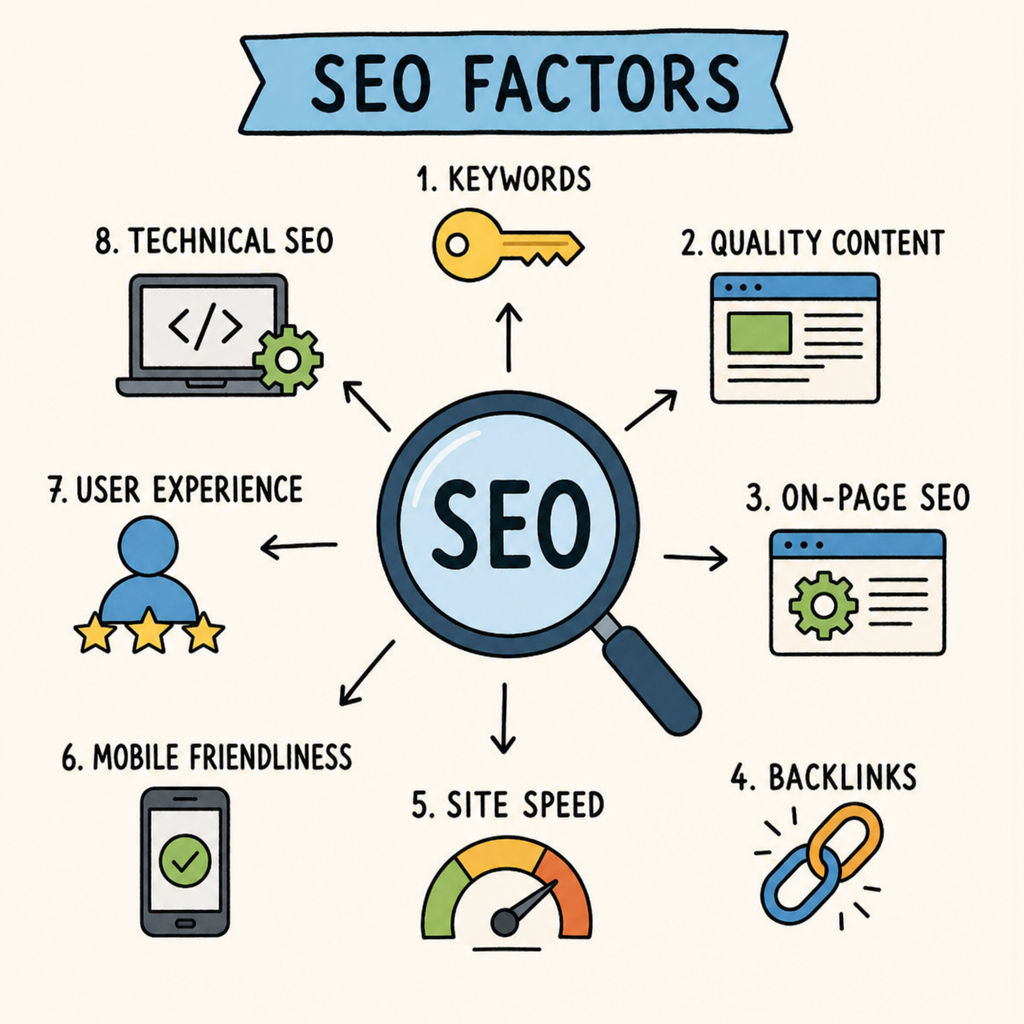
Here’s a quick snapshot of important factors in search engine positioning SEO:
- Keyword relevance
- Quality and originality of content
- Page load speed
- Mobile responsiveness
Achieving high search engine positioning requires understanding and implementing these elements effectively. It is the foundation for digital success, enabling businesses to reach a wider audience.
Why Search Engine Positioning Matters
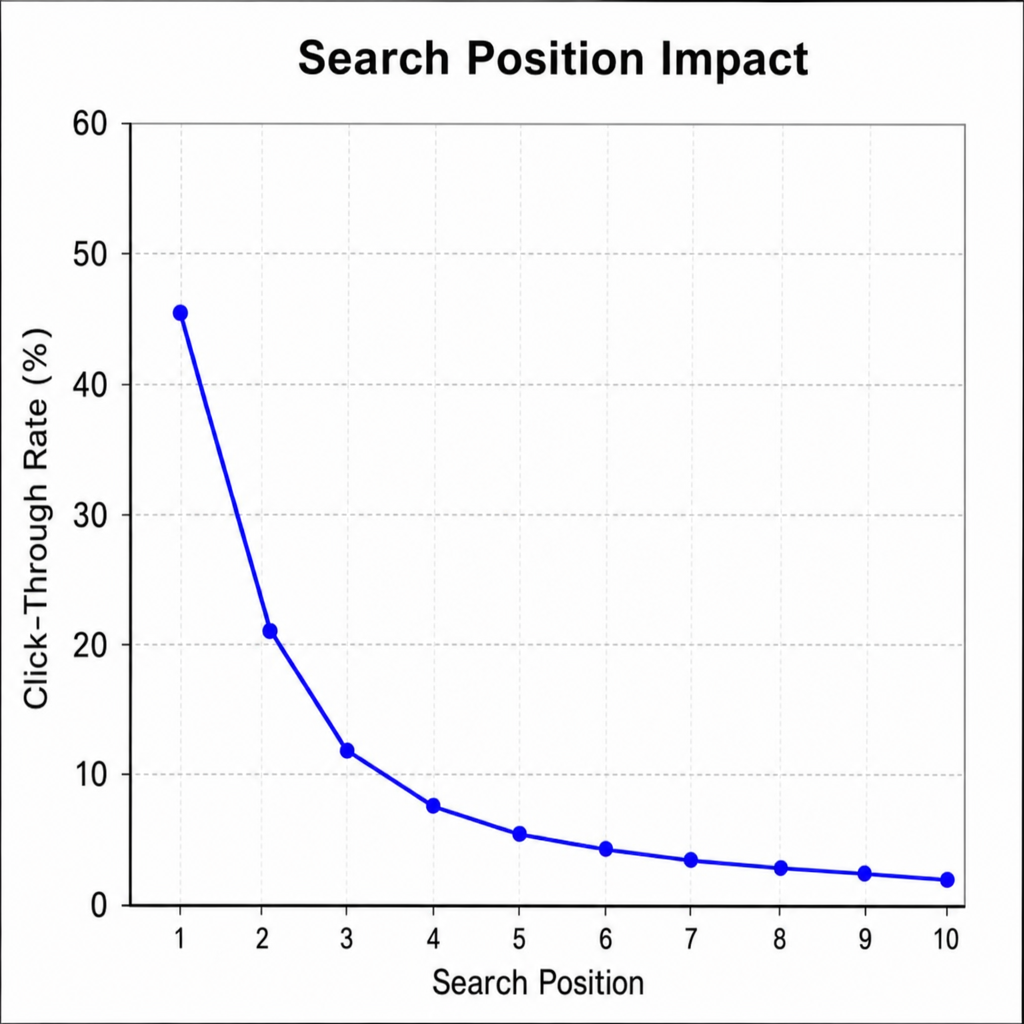
High search engine positioning is critical for driving organic traffic to your site. When your site ranks well, it becomes more visible to potential visitors.
Users tend to trust and click on websites that appear on the first page of search results. This trust translates into higher click-through rates and more engagement.
Consider these benefits of high search engine positioning:
- Increased brand visibility
- Higher traffic and conversion rates
- Enhanced credibility and authority
In today’s competitive digital landscape, achieving top search positions can significantly impact your business’s success. A strategic approach to search engine positioning SEO can boost your website’s reach and impact.
Key SEO Methodologies for Better Positioning
Optimizing your website for better search positioning involves a blend of tactics. Foundational to these tactics are SEO methodologies that guide the optimization process.
Firstly, keyword research is crucial. It’s about understanding what terms your audience uses and ensuring your content speaks their language. This aligns your site with user intents, enhancing the relevance of your pages.
Secondly, the technical aspect of SEO should not be overlooked. Focus on ensuring your site is indexed properly and that all technical elements support search engine discovery.
Here are some key methodologies to improve your positioning:
- Conduct in-depth keyword research
- Optimize site architecture and navigation
- Utilize social signals and backlinks
- Enhance content relevance with user needs
Implementing these methodologies will strengthen your site’s presence and elevate its ranking potential. Always remember: SEO is a marathon, not a sprint. Stay committed, and watch your site grow.

On-Page SEO: Optimizing Individual Pages
On-page SEO is the art of enhancing each page on your site to boost visibility in search results. This practice involves fine-tuning both the content and HTML source code.
Start with engaging titles. Titles should be concise yet descriptive, containing relevant keywords to attract search engines and users alike. Also, focus on meta descriptions that entice clicks by summarizing the page content succinctly.
Clean URL structures are vital as well. Ensure URLs are straightforward and keyword-rich, as they help both users and search engines understand what a page is about.
Here are key elements to consider in on-page optimization:
- Use targeted keywords naturally in content
- Craft precise title tags and meta descriptions
- Maintain an organized URL structure
Additionally, don’t neglect internal linking. This helps search engines crawl your site efficiently while distributing link equity across pages. Implementing these strategies can drive higher engagement and better search rankings for your individual pages.

Title Tags, Meta Descriptions, and URL Structure
Title tags, meta descriptions, and URL structure are vital components of on-page SEO. Each plays a role in how your content is perceived by search engines and users.
Title tags act as a page’s headline. They should be compelling and incorporate primary keywords that reflect the content.
Meta descriptions serve as the short teaser for search engine listings. Craft these to provoke curiosity and encourage clicks.
Optimal URL structures further enhance search visibility. Keep them short, relevant, and incorporate keywords for best results.
Consider these tips:
- Include primary keywords in title tags
- Write clear, enticing meta descriptions
- Use hyphens to separate words in URLs

Content Optimization and Keyword Usage
Content optimization is about creating valuable information. It should resonate with your audience while being search engine friendly.
Keyword usage is pivotal in content creation. Incorporate keywords naturally within the text to maintain readability and relevance. Avoid keyword stuffing, as it can harm SEO efforts.
Focus on crafting engaging, informative content that addresses user intents. This can improve both user satisfaction and search ranking.
Key points to remember for content optimization:
- Sprinkle keywords naturally throughout the content
- Use heading tags to structure your content logically
- Emphasize readability and relevance in every paragraph
This strategy ensures your content is valuable, which encourages readers to spend more time on your site.
Image Optimization and Schema Markup
Images can enhance the user experience if optimized properly. They help create engaging content and can support better search visibility.
Start by compressing images to reduce load times. Alt text should describe the image content using relevant keywords, assisting search engines in contextual understanding.
Schema markup provides structured data for search engines. It translates content elements into understandable formats, resulting in enriched search results.
Focus on these areas:
- Compress images to improve page speed
- Use descriptive alt text with keywords
- Implement schema markup for detailed search results

On-Site SEO: Enhancing Your Whole Website
On-site SEO is crucial for elevating your site’s overall ranking. It involves optimizing various elements across the entire site.
A cohesive site structure is essential. It guides visitors and search engines through your content effortlessly. Creating a logical hierarchy ensures that important pages are prioritized.
Focus also on the technical aspects, such as site speed and mobile responsiveness, which affect user experience and rankings. A fast, adaptable site keeps visitors engaged and reduces bounce rates.
Incorporate the following into your on-site SEO:
- Create a clear, hierarchical structure
- Use consistent branding across all pages
- Ensure all elements contribute to fast loading times
Also, consider internal linking strategies. This helps pass authority and informs search engines about page relationships, improving indexing.
Ensure everything on your site works towards a seamless, intuitive experience. This approach not only boosts user satisfaction but also impacts your search positioning positively.

Internal Linking and Site Structure
Internal linking is a strategic way to boost your site’s SEO. It connects related pages, distributing authority and enhancing navigation.
A well-organized site structure aids in search engine crawls and user navigation. This makes it easy for both to find relevant pages.
Key considerations for internal linking include:
- Using relevant anchor text
- Ensuring every key page is easily accessible
- Balancing the distribution of link equity across pages
By improving internal linking and site structure, you create a roadmap that guides both users and search engines effectively.

Mobile-Friendliness and Page Speed
Mobile-friendliness is a top priority for modern SEO strategies. A mobile-optimized site caters to users on the go, enhancing user experience.
Page speed is another critical aspect. Faster load times lead to better engagement and improved rankings.
Focus on these elements:
- Use responsive design for mobile compatibility
- Minimize large files to boost page load times
- Test site performance regularly to identify issues
Together, mobile-friendliness and fast page speeds provide a smoother experience. They ensure visitors remain on-site, thereby improving your search engine positioning.

Technical SEO Essentials
Technical SEO is the backbone of a successful website. It helps ensure your site is structured for search engine efficiency.
Technical factors such as security and cleanliness are vital. They enable search engines to navigate and comprehend your content well.
Focus on the following technical components:
- Secure your site with HTTPS
- Use a clean, logical URL structure
- Optimize your robots.txt and XML sitemaps
Implementing these elements ensures seamless crawling and indexing by search engines. This enhances user trust and improves your site’s SEO positioning.

Tracking, Analytics, and Continuous Improvement
Effective SEO relies on data-driven decisions. Analytics tools, like Google Analytics, provide insights into your site’s performance and user behavior.
To maximize results, continuously monitor key metrics and adapt accordingly. Analyzing data helps you spot patterns and areas in need of improvement.
Consider focusing on these metrics:
- Organic traffic and bounce rates
- Keyword rankings and click-through rates
- User engagement metrics like time on page
Regular assessments allow you to refine strategies and maintain competitive edge. This continuous improvement cycle is crucial for sustained SEO success.

Advanced Strategies: Local SEO, Voice Search, and Beyond
Embrace advanced SEO tactics to target niche audiences and enhance visibility. Local SEO is essential for businesses focusing on regional customers. Optimize for local keywords and create Google My Business profiles.
Voice search optimization is becoming more important with the increasing use of smart devices. Focus on natural language queries and long-tail keywords to adapt to voice search trends.
Explore additional strategies to stay ahead:
- Multilingual SEO for global reach
- Video content to engage diverse audiences
- Integration with social media platforms
These advanced strategies can expand your reach and solidify your market presence in an evolving digital landscape.

Common SEO Mistakes to Avoid
Avoid common SEO pitfalls to ensure effective results. Duplicate content is a common issue that can harm rankings. Poor keyword usage can also hinder optimization efforts.
To prevent these missteps, focus on:
- Maintaining unique content
- Avoiding keyword stuffing
- Ensuring mobile optimization
By recognizing and correcting these mistakes, you can boost your SEO strategy and improve your site’s performance.
Conclusion: Building a Sustainable SEO Strategy
Sustaining a strong SEO strategy requires ongoing attention and adjustment. Keep updated with the latest trends and practices.
By continuously refining your approach, you ensure long-term visibility and growth for your website. Consistent efforts will lead to successful search engine positioning and increased traffic.