

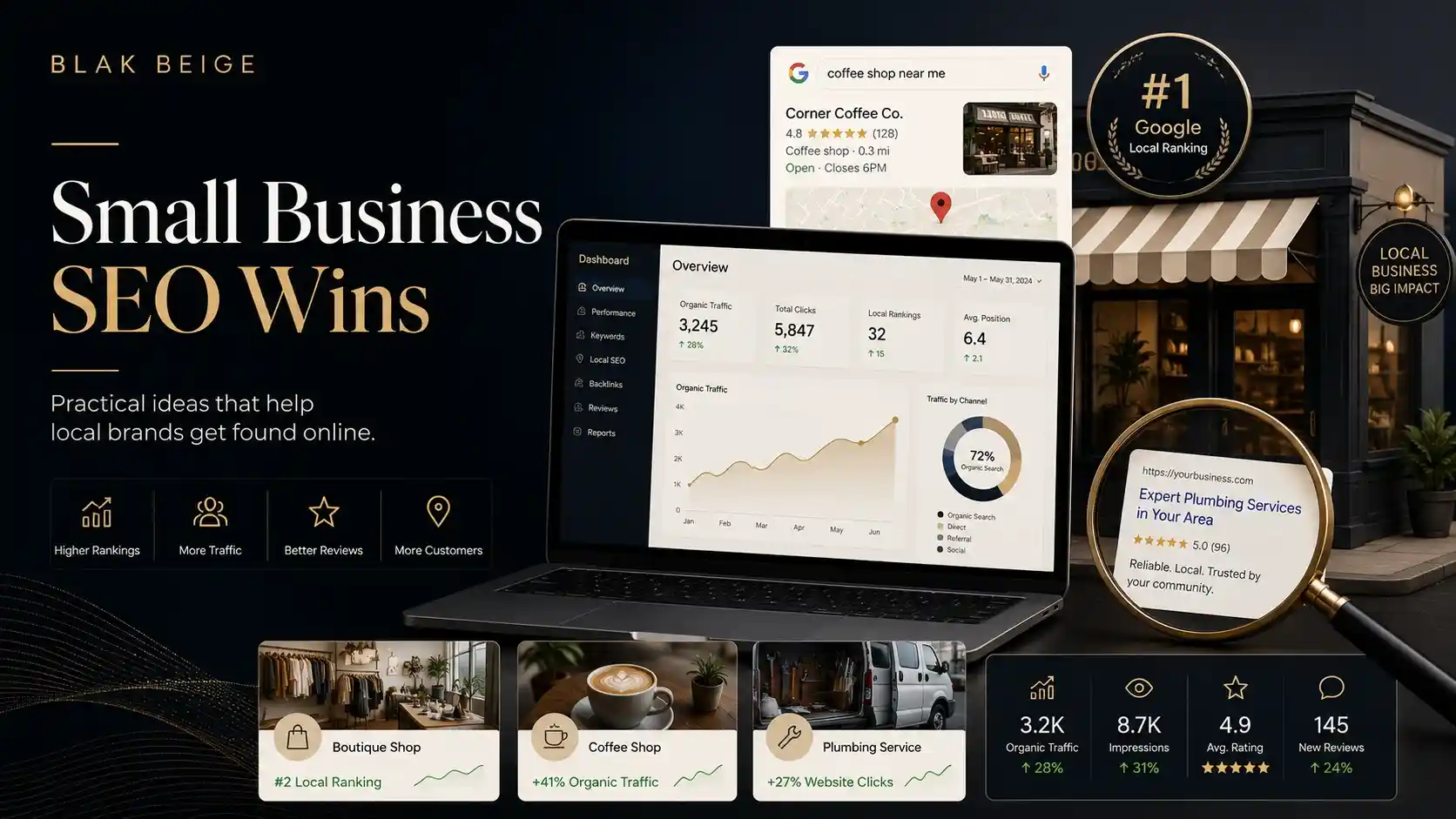
SEO Examples
Search Engine Optimization (SEO) is a vital tool for small businesses. It helps improve online visibility and attract more customers. But what does SEO mean, and how does it work?
SEO stands for Search Engine Optimization, a key part of digital marketing. It involves optimizing your website to rank higher in search engine results. This can lead to increased traffic and sales.
Understanding SEO can seem daunting, but it doesn’t have to be. With the right examples and strategies, small businesses can effectively use SEO. This guide will explore practical SEO examples that work.
From on-page to local SEO, we’ll cover essential techniques. These examples will help you build your own SEO experience and grow your business.
Table of Contents
What Does SEO Stand for in Marketing? Understanding the Basics
SEO, or Search Engine Optimization, stands as a cornerstone in digital marketing. It focuses on improving a website’s visibility on search engines like Google. But why does this matter for small businesses?
When your website appears higher in search results, more people can find you. This means more customers and more opportunities for sales. SEO works by making your website relevant and authoritative.
Here are some basics:
- Keywords: Targeting the right keywords helps your site appear in searches.
- Content: High-quality content engages users and keeps them on your site.
- Technical Aspects: Behind-the-scenes elements, like fast loading times, aid performance.
Small businesses can benefit from understanding these basics. Effective SEO can level the playing field, allowing small companies to compete with larger brands. By focusing on these key areas, you can lay a strong foundation for your digital presence.
How Does SEO Work? Key Principles Explained
SEO operates as a methodical process designed to enhance online visibility. It involves strategies and tactics to improve your website’s standing on search engine results pages (SERPs). Understanding how SEO works can empower small business owners.
Search engines use complex algorithms to evaluate and rank websites. These algorithms consider various factors when determining rankings. Knowing these can guide your SEO strategy:
- Keyword Optimization: Selecting the right keywords helps direct targeted traffic.
- Content Quality: Fresh, relevant content can boost engagement and rankings.
- Link Building: High-quality backlinks signal trustworthiness to search engines.
- User Experience: Sites that are easy to navigate tend to rank better.
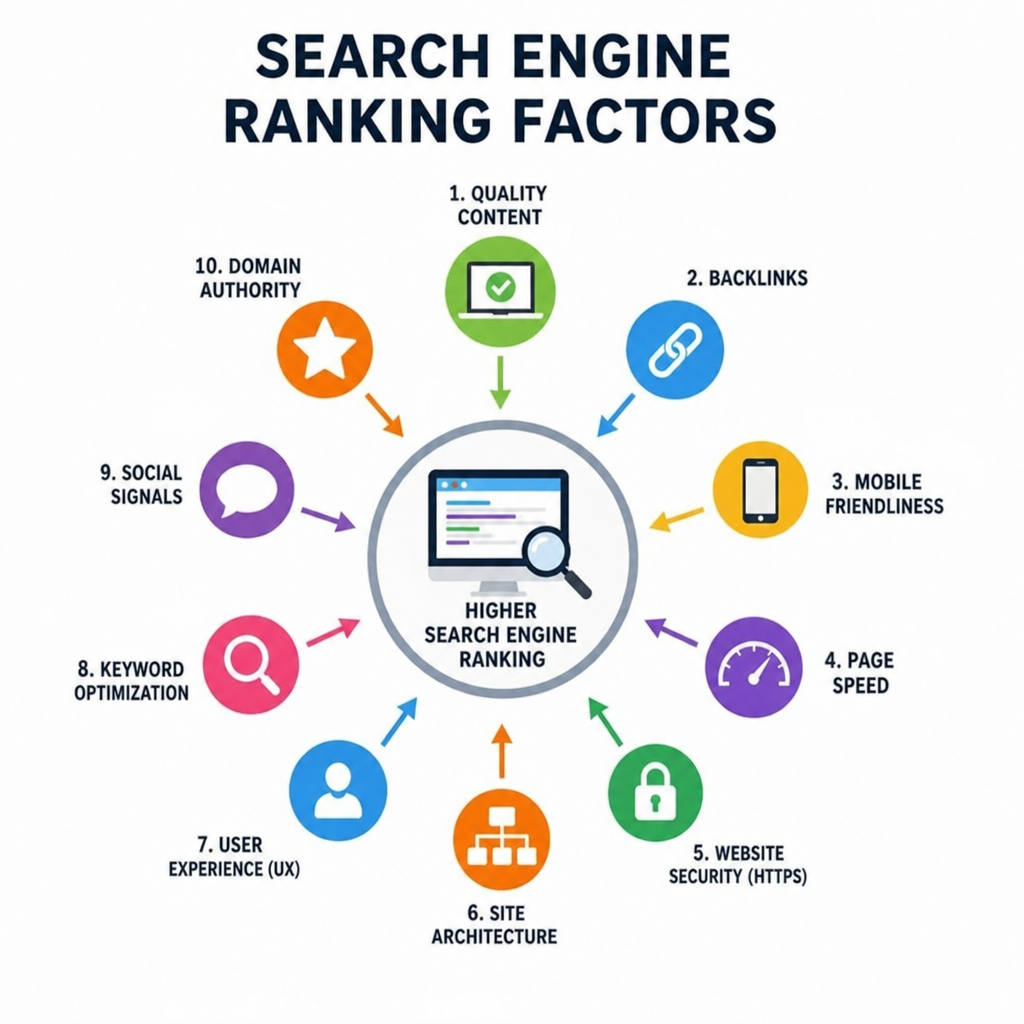
Applying these principles fosters better visibility and higher rankings. Keywords form the heart of SEO by linking user queries to your site. Creating content that addresses your audience’s needs keeps visitors coming back. Efficient link building builds reputation and domain authority.
Understanding these principles can transform your digital strategy. Small businesses that embrace SEO often find increased web traffic and business growth.
On-Page SEO Examples for Small Businesses
On-page SEO is about optimizing elements within your website. These adjustments can significantly affect your site’s visibility on search engines. They are essential for small business success in digital marketing.
First, focus on title tags and meta descriptions. These elements appear in search results and should contain relevant keywords. Well-crafted meta descriptions can improve click-through rates.
Next, ensure your website content is high quality and keyword-rich. It should provide value while integrating keywords naturally. This balance keeps readers engaged and search engines happy.
Internal linking is another effective tactic. Linking to other pages within your site helps distribute page authority. It also improves navigation for both users and search engines.

Images also play a role. Optimize images with descriptive alt tags. This practice enhances accessibility and can help with search visibility.

Consider these on-page elements in your strategy:
- Title tags and meta descriptions
- Keyword-rich, valuable content
- Internal linking
- Descriptive image alt tags
Implementing these on-page SEO examples can yield noticeable improvements in search ranking. Regularly updating and refining your approach can maintain or improve your position over time.
Off-Page SEO Examples: Building Authority and Trust
Off-page SEO involves strategies beyond your website to boost rankings. It focuses on building authority and trust for your site. A strong off-page presence can significantly impact search engine results.
Backlinks are a crucial element. Links from reputable sites signal credibility to search engines. Focus on acquiring quality links, not just quantity.
Consider guest blogging as an off-page SEO strategy. Contributing valuable content to other blogs can attract backlinks. It also introduces your brand to a broader audience.
Social media also plays a role. While not a direct ranking factor, it can drive traffic. Increased engagement often leads to more link opportunities.

Explore these off-page SEO strategies:
- Building high-quality backlinks
- Guest blogging on industry sites
- Leveraging social media for brand exposure
Implementing off-page SEO tactics can enhance your site’s authority. They build trust with both search engines and users. Consistent efforts here support a comprehensive SEO strategy.
Local SEO Examples: Attracting Nearby Customers
Local SEO is vital for small businesses aiming to reach nearby customers. It focuses on optimizing your online presence for a local audience.
Optimizing your Google My Business profile is crucial. This free tool enhances visibility in local search results. Ensure your business information is accurate and up-to-date.
Encourage customer reviews as part of your strategy. Positive reviews can improve your business’s local ranking. Responding to reviews fosters customer trust and loyalty.

NAP consistency is another key factor. Ensure your Name, Address, and Phone number are identical across all platforms. Inconsistencies can confuse search engines and hurt your ranking.
Local citations and directory listings are beneficial. They help establish your presence in local search results. Consider using services like Yelp or Yellow Pages for wider reach.

Consider the following local SEO strategies:
- Optimize Google My Business profile
- Encourage and respond to customer reviews
- Ensure NAP consistency across listings
- Utilize local directories and citations
Implementing these local SEO techniques can enhance your business’s visibility. You’ll attract more local customers and foster community engagement.
SEO Content Marketing: Real-World Examples
Content marketing is a powerhouse in SEO. It involves creating valuable and relevant content for your audience, which enhances your visibility.
One effective example is blogging. Regularly publishing informative posts can attract visitors. Blogs that answer common questions or provide insights can boost engagement
Another example is video content. Videos engage users and can improve time spent on your site. Platforms like YouTube also offer additional visibility.
Well-researched, long-form articles are impactful. They show expertise and depth, and they encourage other sites to link back to you, enhancing authority
Repurposing content across multiple formats is smart. For instance, transform a blog post into an infographic or podcast. This strategy widens your audience reach.
Consider these content marketing strategies:
- Blogging regularly on relevant topics
- Creating engaging video content
- Developing long-form articles
- Repurposing content into various formats
By incorporating these methods, small businesses can significantly enhance their online presence. SEO content marketing establishes expertise and builds a loyal audience.
Technical SEO Examples: Optimizing Behind the Scenes
Technical SEO is crucial for a website’s infrastructure. It ensures that search engines can access, crawl, and index a site properly.
Fast loading speeds are essential. A quick site not only pleases visitors but also ranks higher in search results.

Mobile optimization is non-negotiable. With most users browsing on mobile devices, a responsive design is key for usability and ranking.
Implementing structured data can improve how your content appears in search results. This markup helps search engines understand your site context better.
An often-overlooked aspect is using SEO-friendly URLs. Clean URLs improve user experience and search engine readability.
Some technical SEO actions to consider include:
- Enhancing page speed
- Ensuring mobile responsiveness
- Utilizing structured data markup
- Maintaining SEO-friendly URLs
By focusing on these technical details, small businesses can improve their site’s performance and search ranking. Technical SEO lays the groundwork for all other optimization efforts.
Measuring SEO Success: Tools and Metrics
To gauge SEO success, businesses need the right tools. Google Analytics is a must-have for insights into site traffic and user behavior.

Another valuable tool is Google Search Console. It helps monitor site performance and keyword rankings.
SEO metrics to track include:
- Organic traffic growth
- Bounce rate reduction
- Conversion rate improvement
Ahrefs and SEMrush offer competitive insights and backlink data. These tools help refine SEO strategies for better results.
By analyzing these metrics regularly, small businesses can adjust their strategies effectively. This approach ensures continuous improvement and sustained online growth.
Common SEO Mistakes Small Businesses Should Avoid
Avoiding SEO mistakes can save time and effort. One major error is neglecting keyword research. Keywords guide content and drive traffic.

Ignoring mobile optimization is another common misstep. Many users browse on phones, making mobile-friendliness crucial.
Other pitfalls to avoid include:
- Overlooking local SEO tactics
- Skipping regular website audits
- Using duplicate content
Proper SEO strategies boost online visibility. Avoid these mistakes to maintain a strong online presence. Consistent improvement is key to lasting success. Small businesses that adapt will thrive in the competitive digital landscape.
Conclusion: Building Your Own SEO Experience
Building your SEO experience as a small business takes time and dedication. Start with the basics and gradually incorporate more advanced strategies.
Experiment with different techniques to see what works best for your unique business needs. Regularly update your methods to align with current trends and search engine guidelines.
Engaging with SEO experts or using professional tools can further enhance your strategies. Tracking your progress with analytics will provide insights into your successes and areas needing improvement.
Remember, effective SEO is a continual process. Stay committed, and over time, you will witness significant growth in your online presence and business reach.